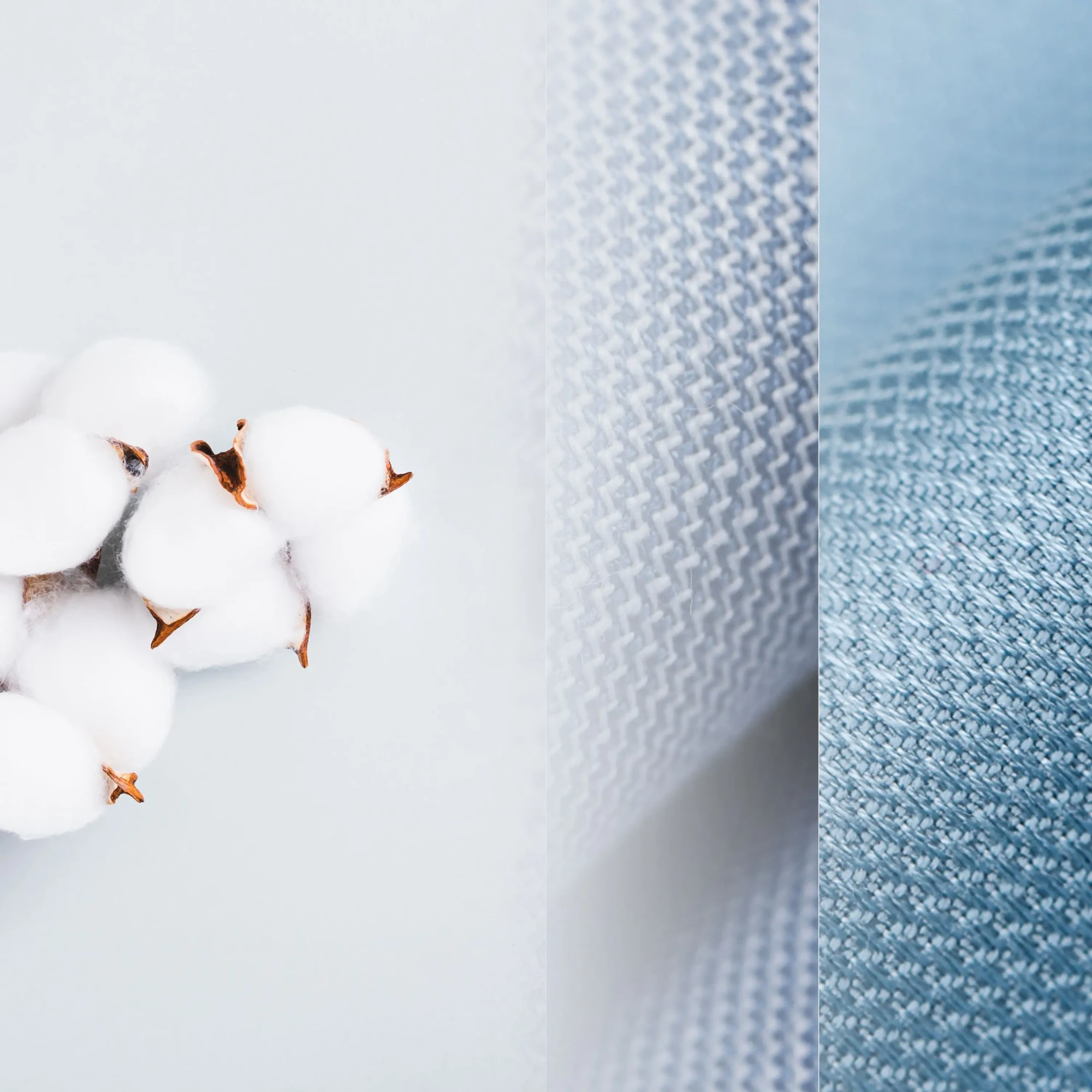

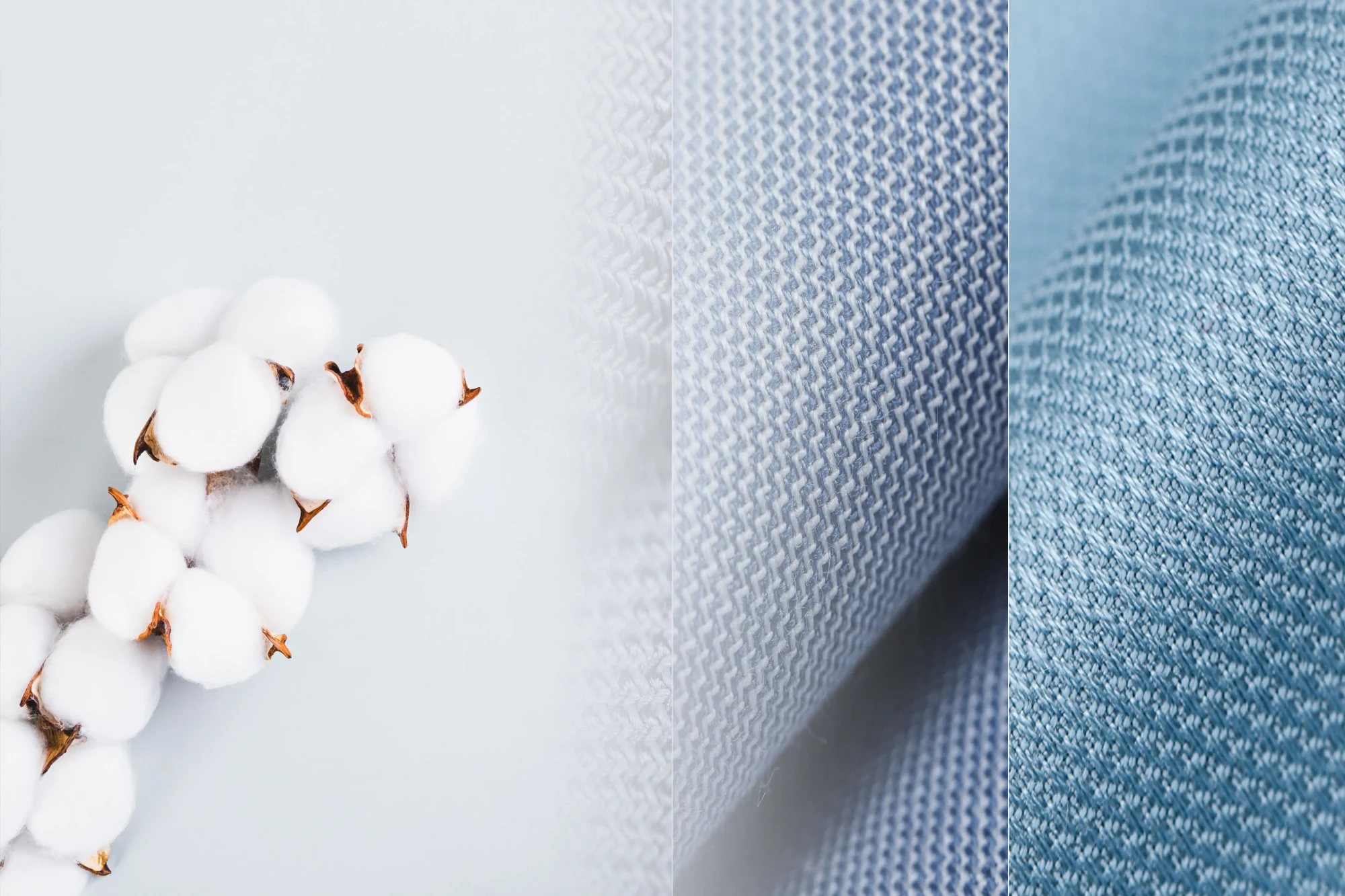



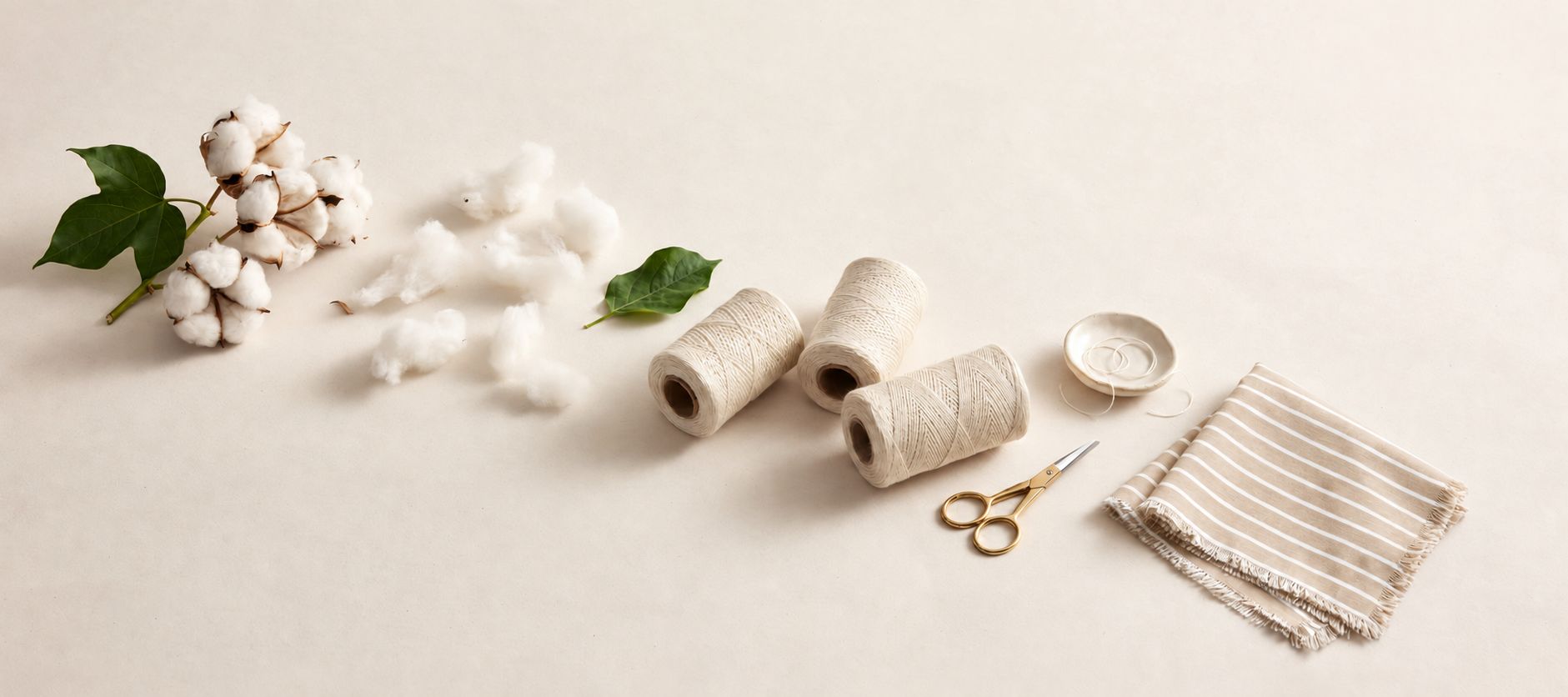
Less than one percent of the world’s cotton earns the name Supima. The trademark belongs to the finest American variety of Pima, accounting for roughly 3% of cotton grown in the United States and under 1% of cotton grown worldwide. That scarcity isn’t incidental—it’s the result of a standard built decades ago, on purpose, to separate the exceptional from the merely good.
This is the story of how that standard came to be, and what it actually protects.
What Is Supima Cotton?
The story starts with a plant. Its lineage traces back to Egypt, where a rare, extra-long-staple cotton was first grown. In the early 1900s, the U.S. Department of Agriculture brought that same variety to Arizona and worked with the Pima people—a Native American tribe long recognized for their skill in weaving and textiles—to successfully cultivate it on American soil. Their expertise made the difference, and by 1910, the crop was named Pima cotton in their honor.
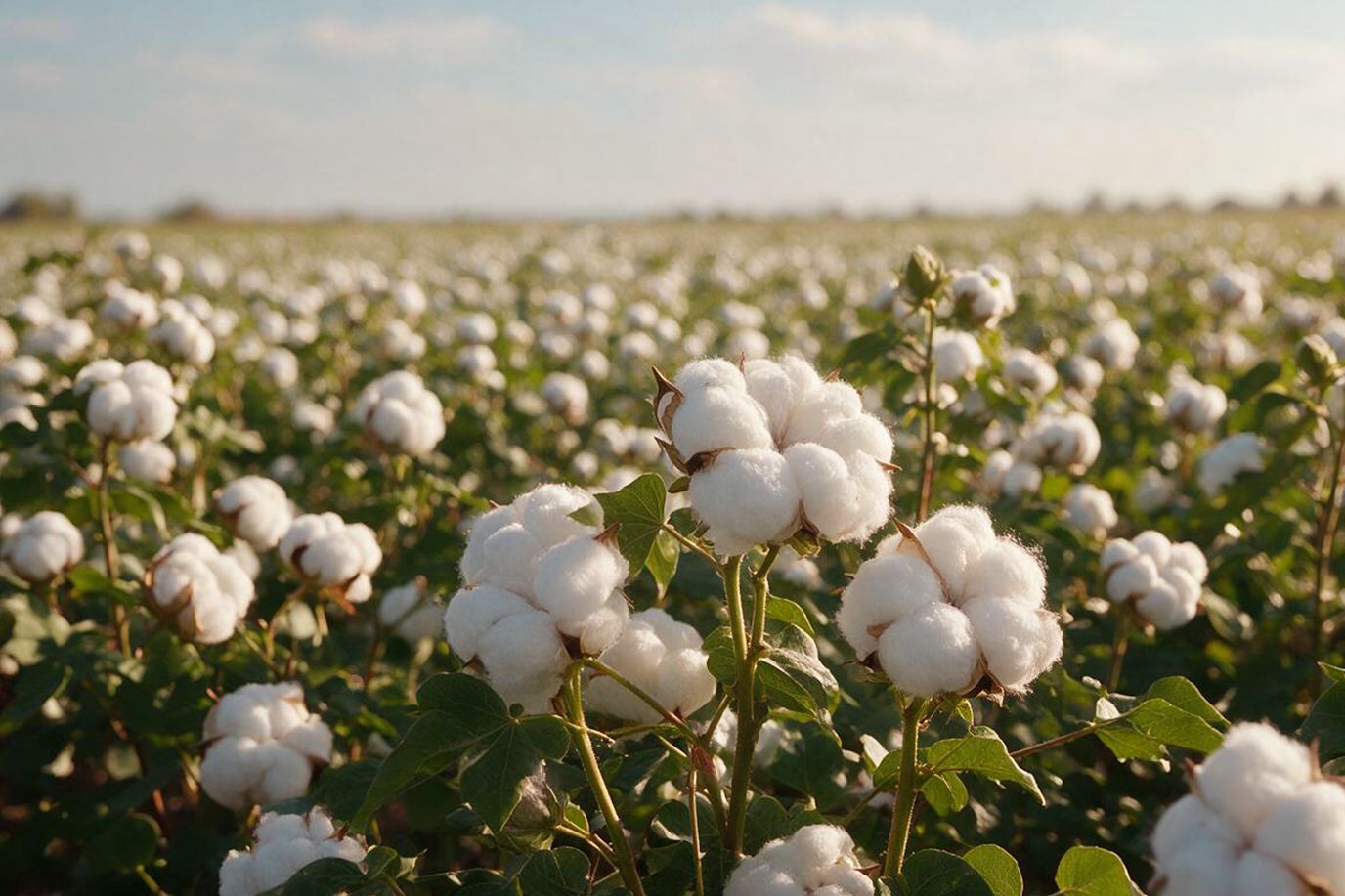
The name grew a reputation, but reputation alone couldn’t protect it. Genuine Pima cotton was often mixed with lesser cotton, and some sellers went as far as labeling ordinary cotton as Pima. To bring transparency and legitimacy to the category, American growers founded the Supima Association in 1954—the name short for “Superior Pima.” The trademark existed to guarantee one plain thing: cotton carrying the Supima name was 100% grown in the U.S., on certified farms, meeting a verified standard.
What Makes It Different
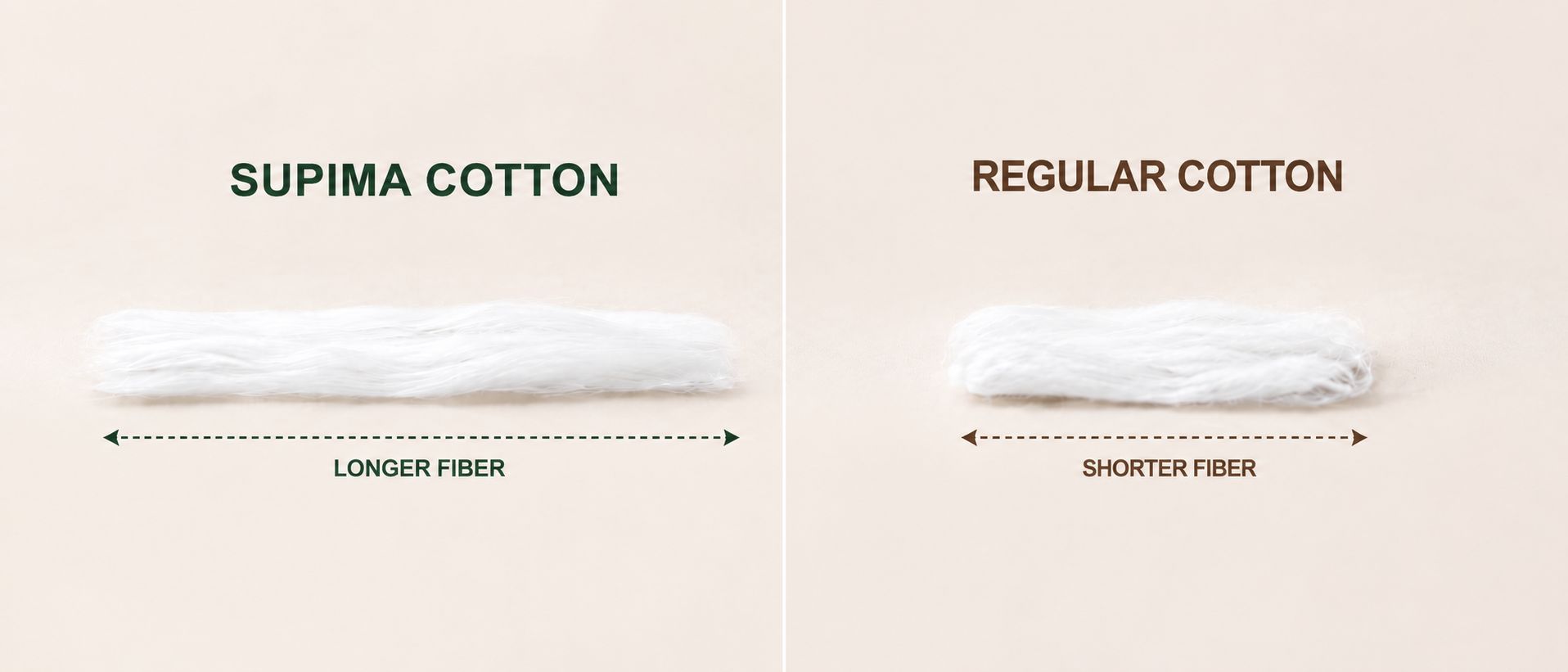
Length is where the difference begins. Supima’s fibers average roughly 1.5 inches, nearly twice the length of most other cotton types, and that measurement shapes nearly everything else the fabric does.
- Enhanced Strength and Durability: Longer fibers mean fewer joins in the yarn, so the fabric holds up through years of wear rather than thinning out early.
- Exceptional Softness: A finer, smoother fiber surface gives the fabric a noticeably soft hand from the very first wear, one that only improves with washing.
- Long-Lasting Colors: The tighter fiber structure absorbs dye more evenly, keeping color rich long after regular cotton starts to fade.
- Smooth Drape: The added length and fineness let the fabric fall with a fluid, refined movement instead of sitting stiff.
There’s another layer to the difference, tied to the name itself. Pima cotton is a generic term, grown across countries like Australia, Peru, and the U.S. with no trademark protection behind it. Supima means something narrower—verified American origin, licensed growers, and a fiber traced before it ever reaches a label.
All Supima is Pima. Not all Pima are Supima.
| Type | Fiber Length | Characteristics |
| Regular Cotton | ~1 inch | Common, shorter fiber, more prone to pilling |
| Pima Cotton | ~1.3–1.4 inches | Extra-long staple, fine and soft, grown globally |
| Supima Cotton | ~1.5 inches | Extra-long staple, fine and soft, U.S.-grown, licensed and traceable |
Where Supima Shows Up
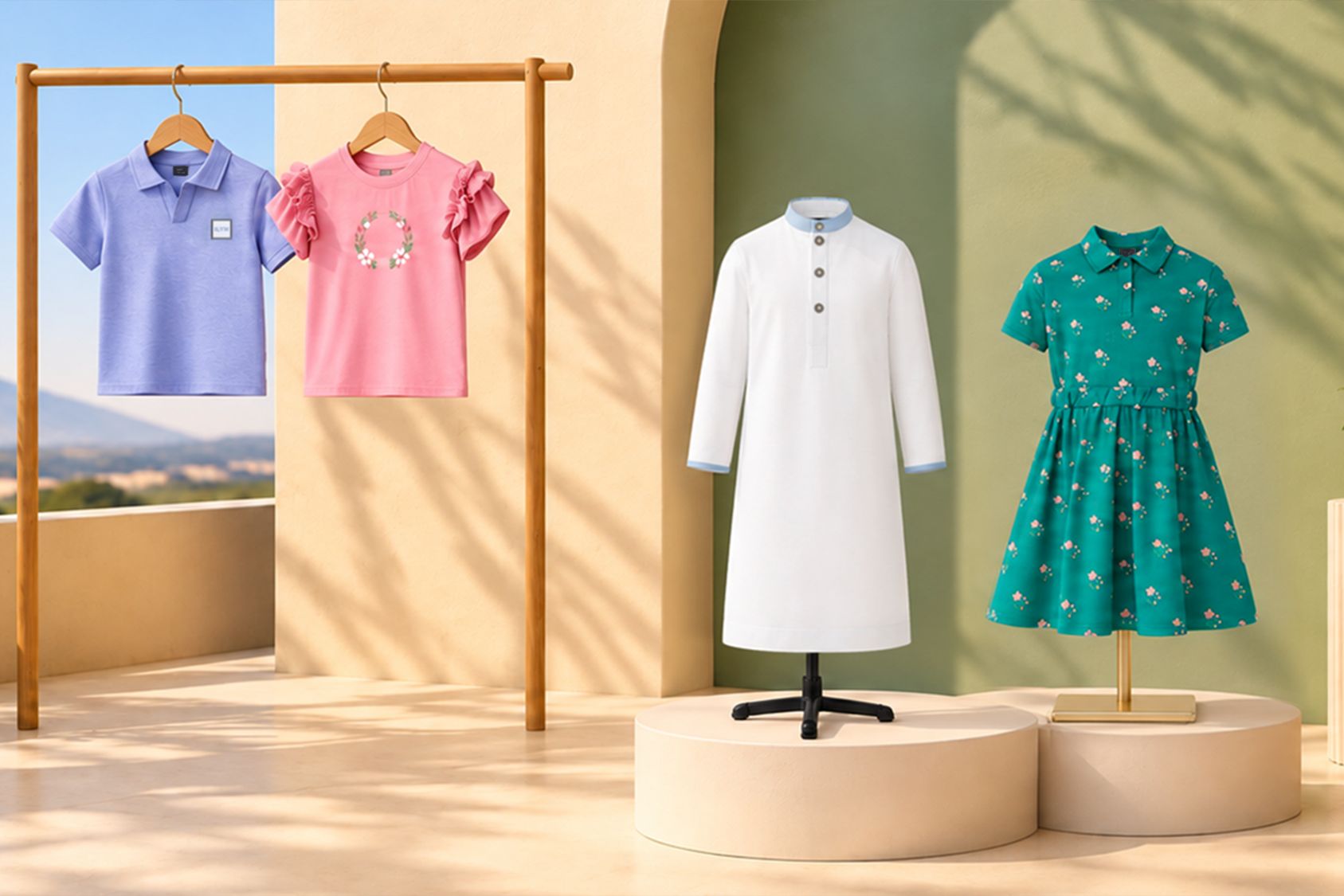
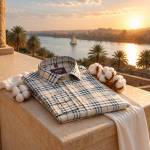
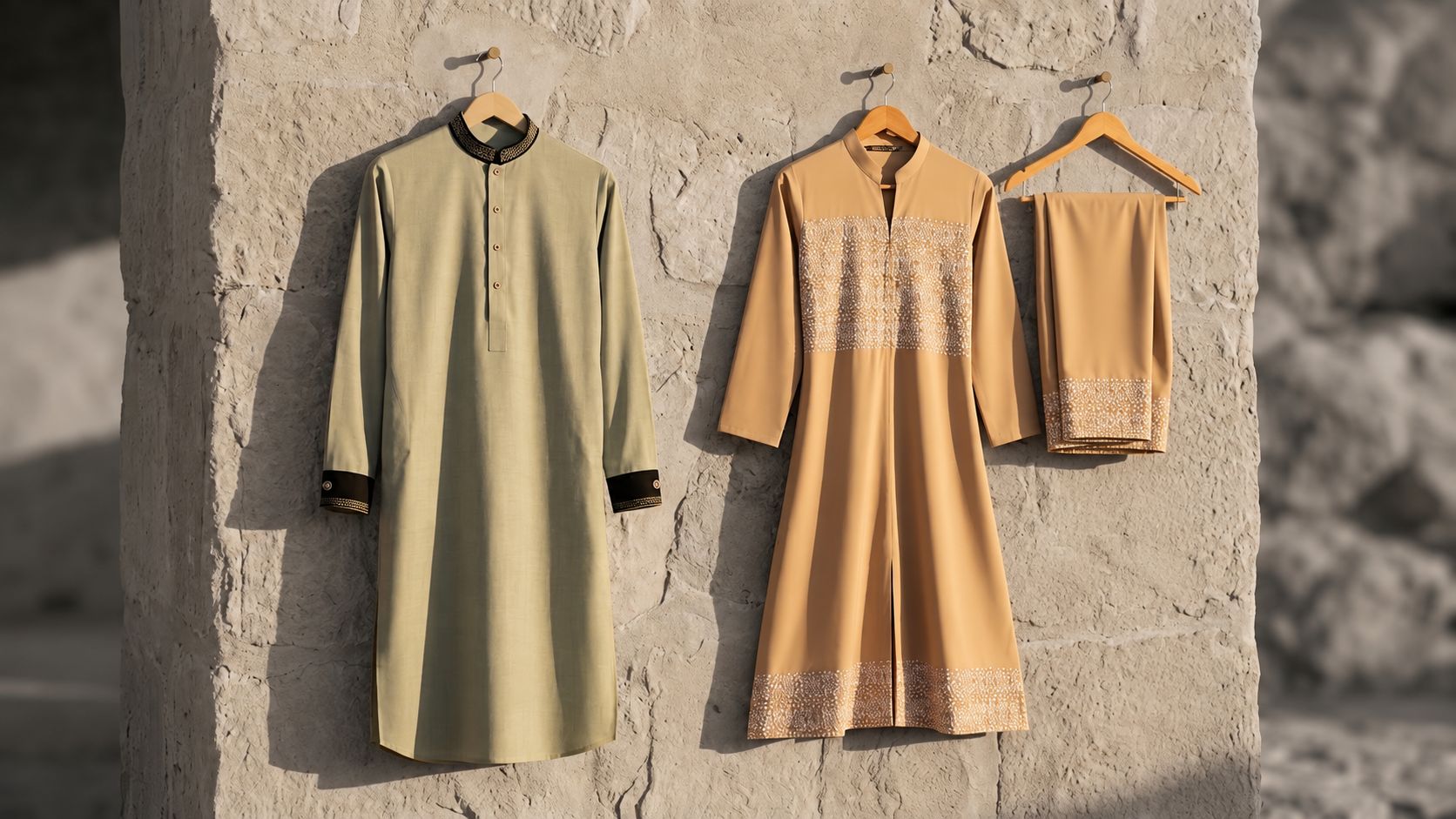
Supima’s qualities make it ideal for pieces meant to be worn often and kept long—shirting, fine knitwear, polos, the kind of everyday staples that need to hold their shape through wear.
The difference shows up in small, ordinary ways through a full day. The color sits close to day one long after a regular cotton equivalent would have dulled. By evening, the fabric still moves without clinging, and comes out of the wardrobe the next season looking barely unchanged.
A Fiber Built to Last
There’s a reason the name carries this much weight, and it isn’t marketing. Somewhere behind every Supima label sits a whole system most people never think about—fiber measured, farms licensed, batches traced back to where they started. None of that shows in the finished garment—but it’s why Supima holds up the way it does, years down the line.