

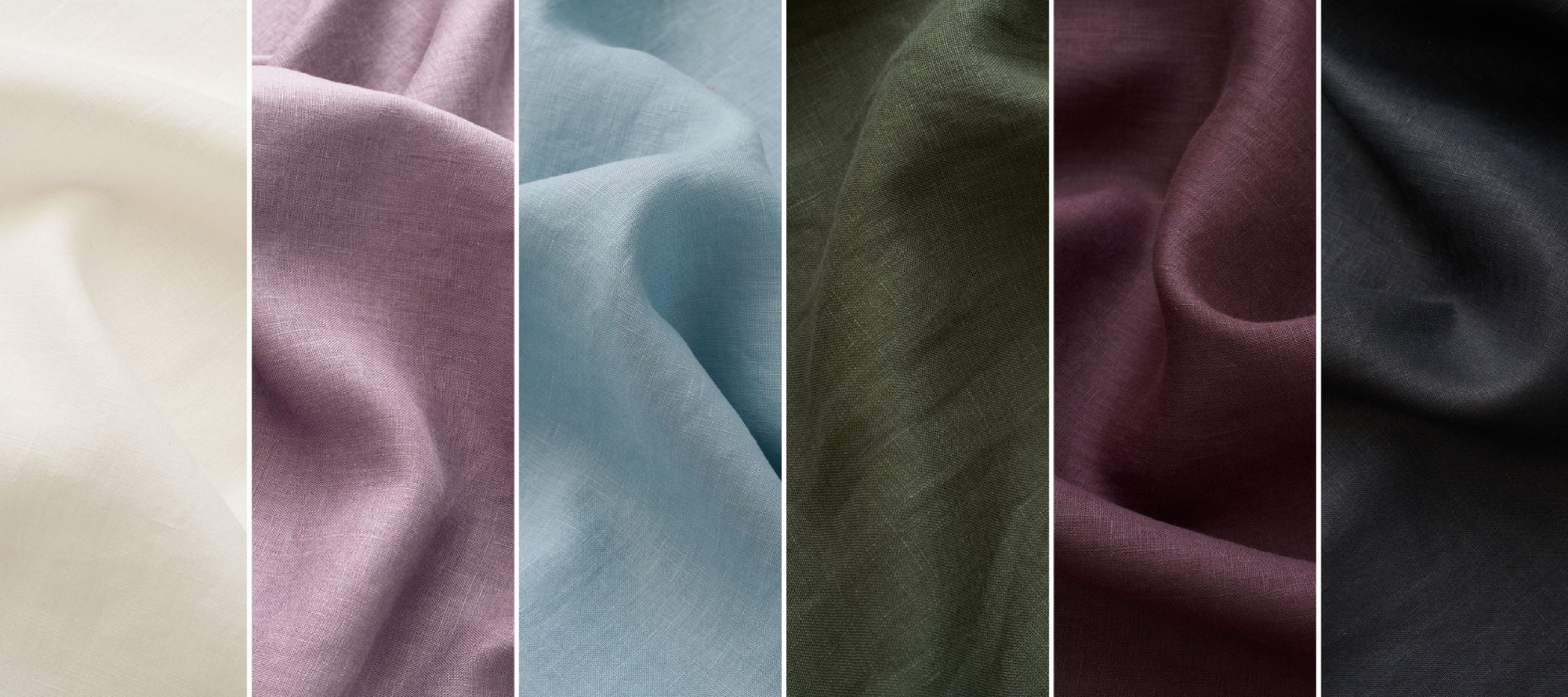
Some fabrics are worn. Linen is lived in. For centuries, it has clothed kings, sailors, and ordinary mornings alike—and somehow, none of that history feels dated. Even now, surrounded by newer, faster, more engineered materials, linen holds its place. Not because it tries. Because it simply keeps working, season after season, wash after wash, wrinkle after honest wrinkle.
This is a fabric that was never chasing perfection. It softens instead of wearing thin. It creases instead of losing shape. And somewhere in that ease sits its real appeal—a material that improves the longer you keep it.
Here’s what makes it worth knowing.
What Is Linen?
Linen is a natural fiber made from the flax plant, pulled from the plant’s stem. It is one of the oldest fabrics still in use—worn across ancient civilizations long before synthetic materials existed, and it hasn’t lost relevance since.
A few qualities define linen, regardless of weave or origin. It is breathable, letting air move freely through the fabric. It softens gradually with every wash instead of wearing thin, and manages moisture and mildew naturally, staying fresh even through humid days. These qualities live in the fiber itself, not in any finish applied afterward, which says a lot about why linen has lasted this long.
How Do You Identify Real Linen?
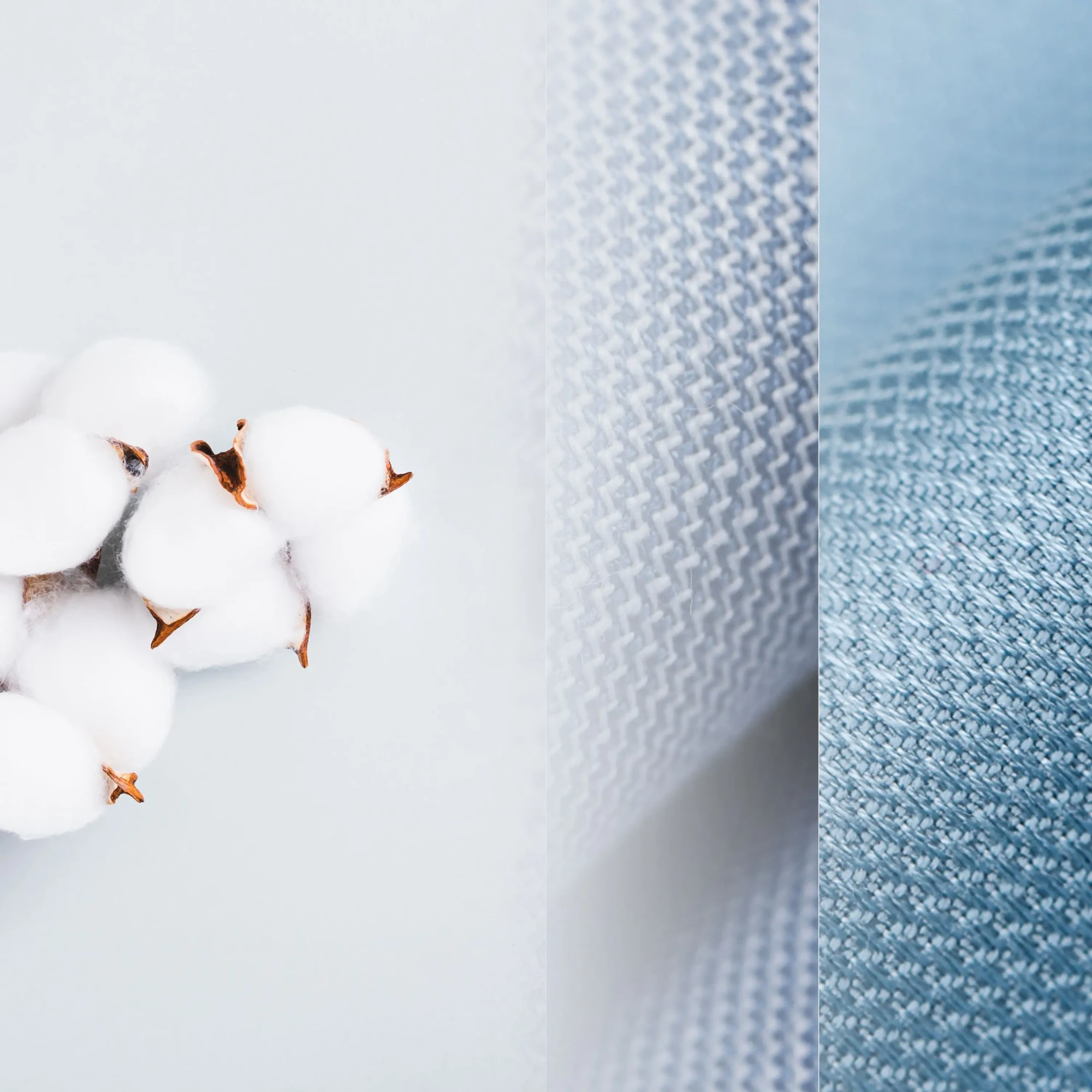
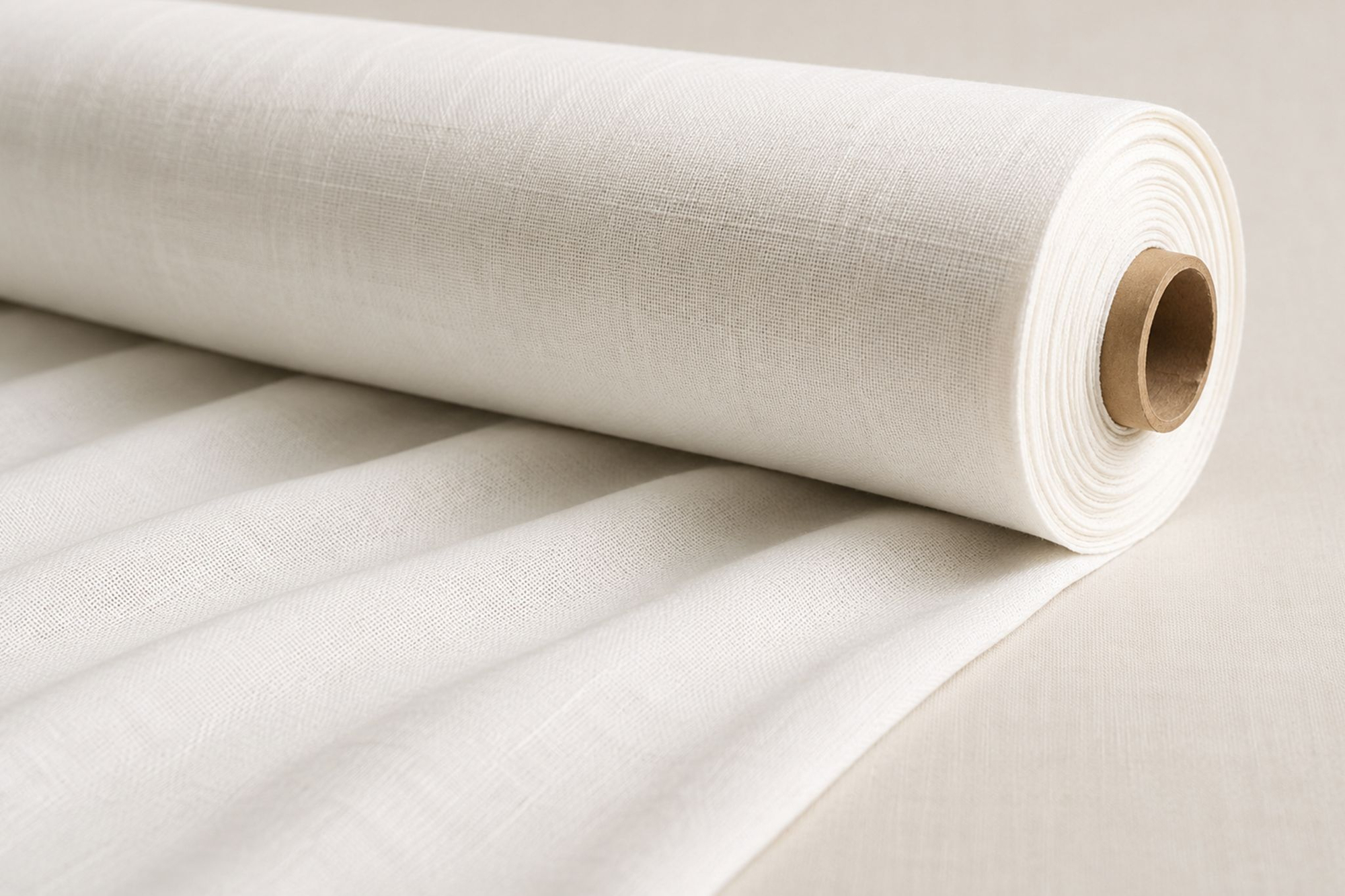
A few small details separate authentic, 100% linen from anything imitating it.
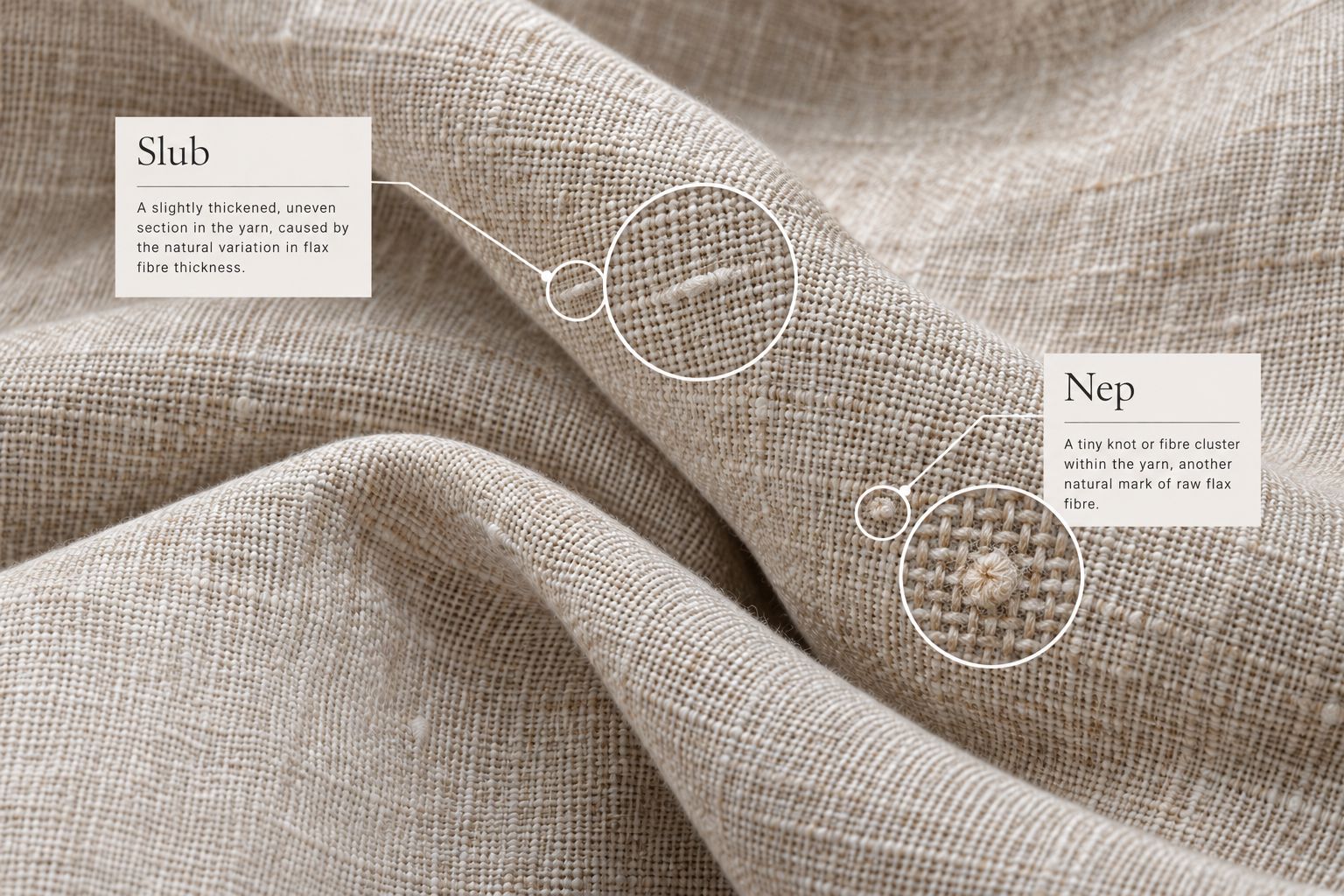
| The Slub | A natural thickened texture in the yarn, a signature of linen |
| Neps | Tiny natural knots in the yarn |
| Built for Heat | Hollow fibers move air and heat away from the body, ideal for warm climates. |
| Fast to Absorb, Faster to Dry | Takes on moisture readily, then releases it quickly to stay comfortably dry. |
| Stronger When Wet | Flax gains strength when wet, unlike most natural fibers. |
With finer fibers and more controlled weaving, linen’s characteristic slubs can be reduced significantly or even removed from the finished surface. Neps are harder to eliminate completely. Fine processing can make them less visible, but small traces may remain.
Wrinkling is another signature characteristic of linen. Blending linen with other fibers can soften this tendency, creating a smoother appearance while also changing how the fabric performs. In suiting, for example, carefully developed linen blends can offer better shape retention and more consistent performance over extended wear while preserving much of linen’s breathability and character.
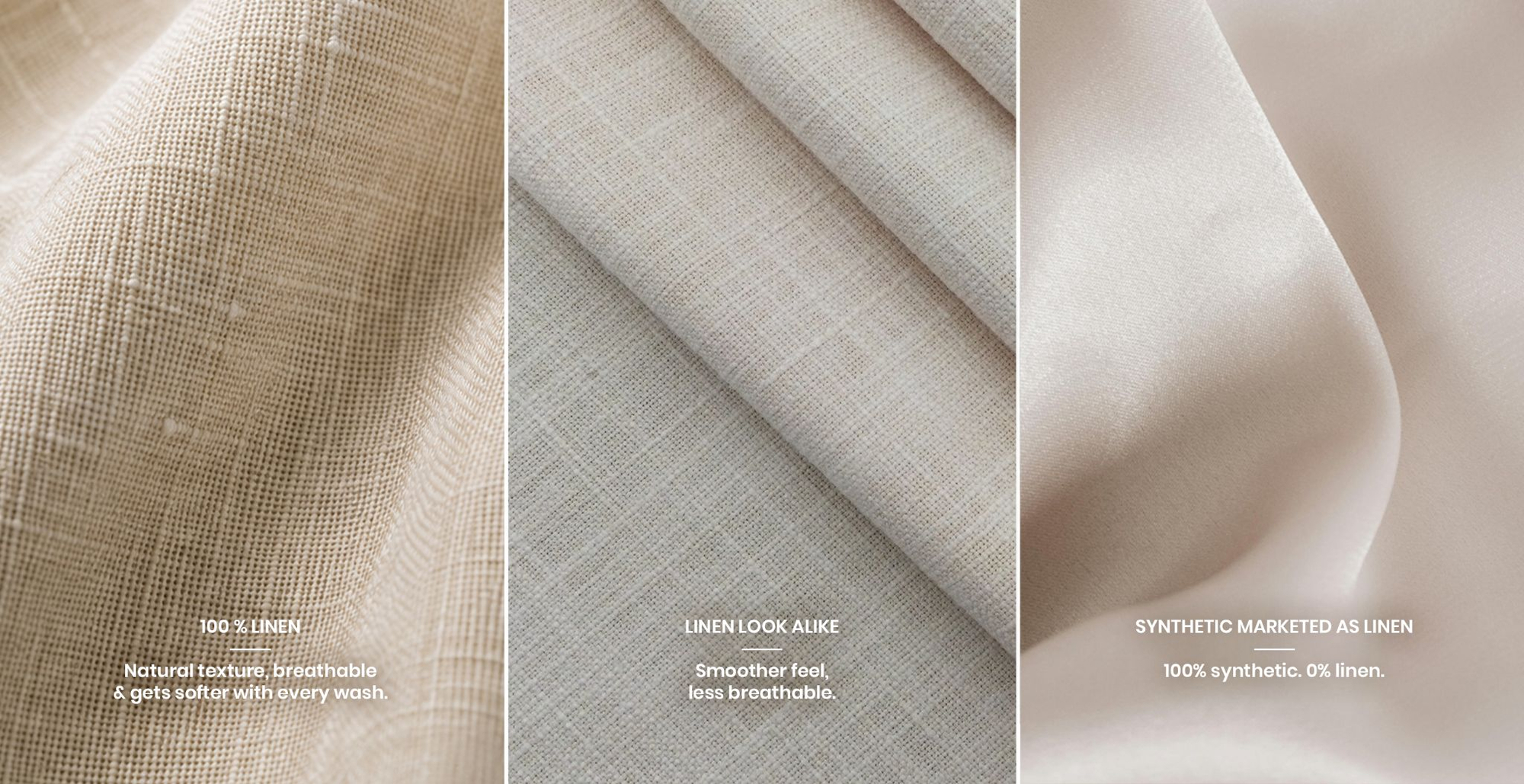
Not All “Linen” Is Linen
The word ‘linen’ gets used loosely in South Asia—especially in womenswear across Bangladesh, where fabric marketed as linen isn’t always linen at all. Some cotton fabrics look convincingly close, using special weaving techniques to mimic linen’s slub texture, however, some others, made from synthetics entirely, mostly viscose and polyester blends, neither feel nor structurally behave like real linen.
Linen vs. Cotton
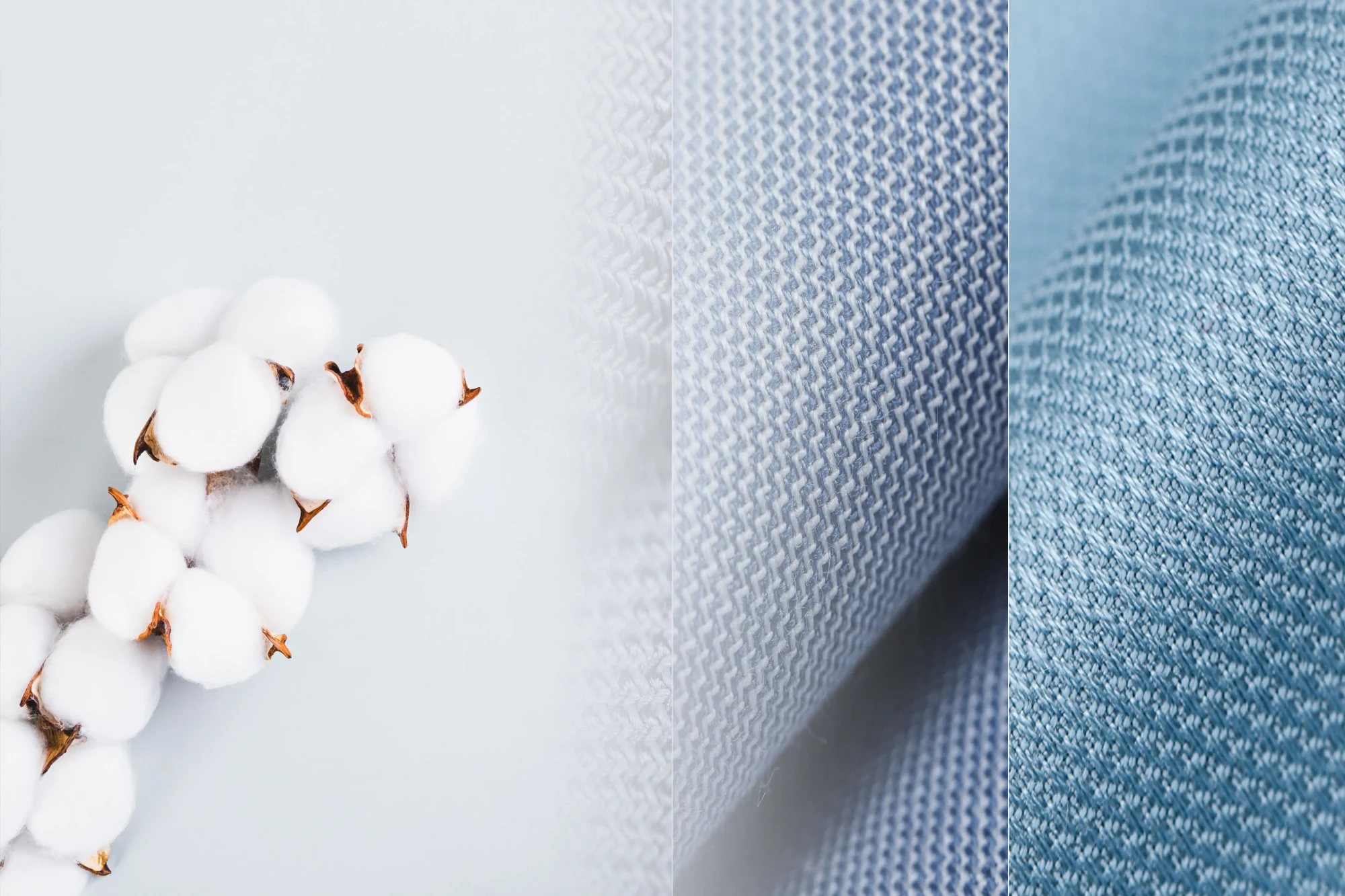
Both are natural, plant-based fibers, but they behave differently once woven — each suited to a different kind of comfort. While linen excels in breathability, cotton stands out in skin-feel that is unmatched. Cotton is less prone to wrinkling and feels softer and smoother in hand-feel.
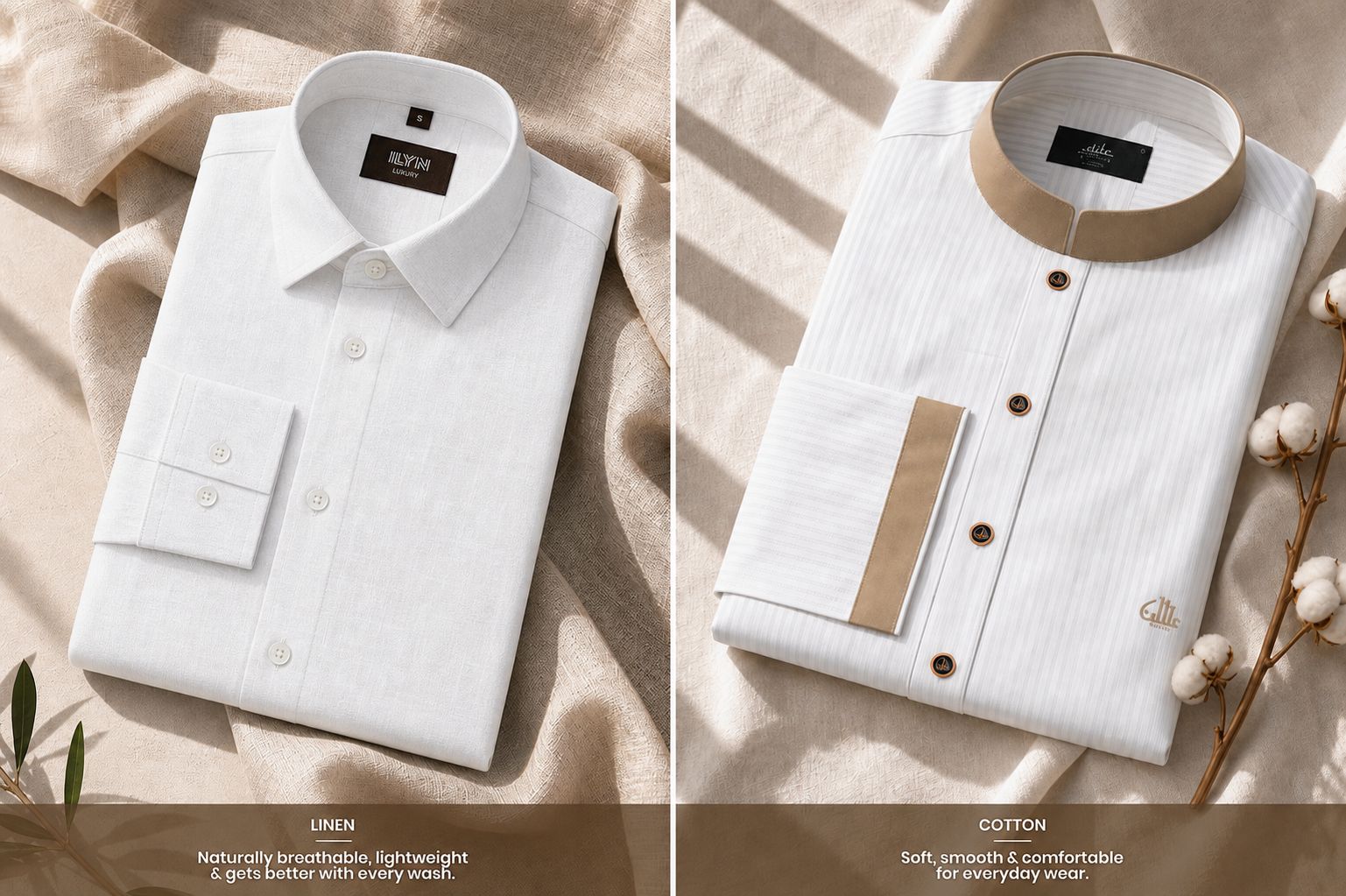
A more detailed comparison between these iconic fabrics can be made through the following table:
| Points of Distinction | Linen | Cotton |
| Source | Flax plant stem | Cotton plant seed boll |
| Fiber Length | Long | Usually shorter |
| Texture | Crisp and structured | Can be much softer |
| Breathability | Cools efficiently in heat | Comfortable, but holds more warmth |
| Wrinkling | Wrinkles visibly, softens with age | Wrinkles less, holds a smoother finish |
| Moisture Absorption | Absorbs and releases moisture quickly | Absorbs well, but dries slower |
| Usage Over Time | Develops a relaxed, lived-in character. | Generally retains a smoother, more familiar feel. |
Why Linen is Unbeatable Among Natural Fibers
Visually, linen wears its natural character openly. Slubs, neps, and creases are part of its distinctive texture rather than signs of a perfectly uniform fabric. Yet linen remains one of the most valued natural fabrics for warm-weather dressing, thanks largely to its exceptional comfort in heat.
This is a fabric that was never chasing perfection. It softens instead of wearing thin. It creases instead of losing shape. And somewhere in that ease sits its real appeal—a material that improves the longer you keep it.
Breathability: Linen’s fiber structure and weave allow excellent airflow, helping heat escape from the body.
Moisture Absorption: Linen absorbs a considerable amount of moisture without quickly feeling damp against the skin.
Quick Drying: It releases moisture efficiently and dries quickly, making it particularly comfortable in hot, humid conditions.
These qualities are experienced more than seen. Together, they explain why linen’s natural irregularities and tendency to crease are often accepted as part of the fabric’s character rather than drawbacks.
Common Uses of Linen
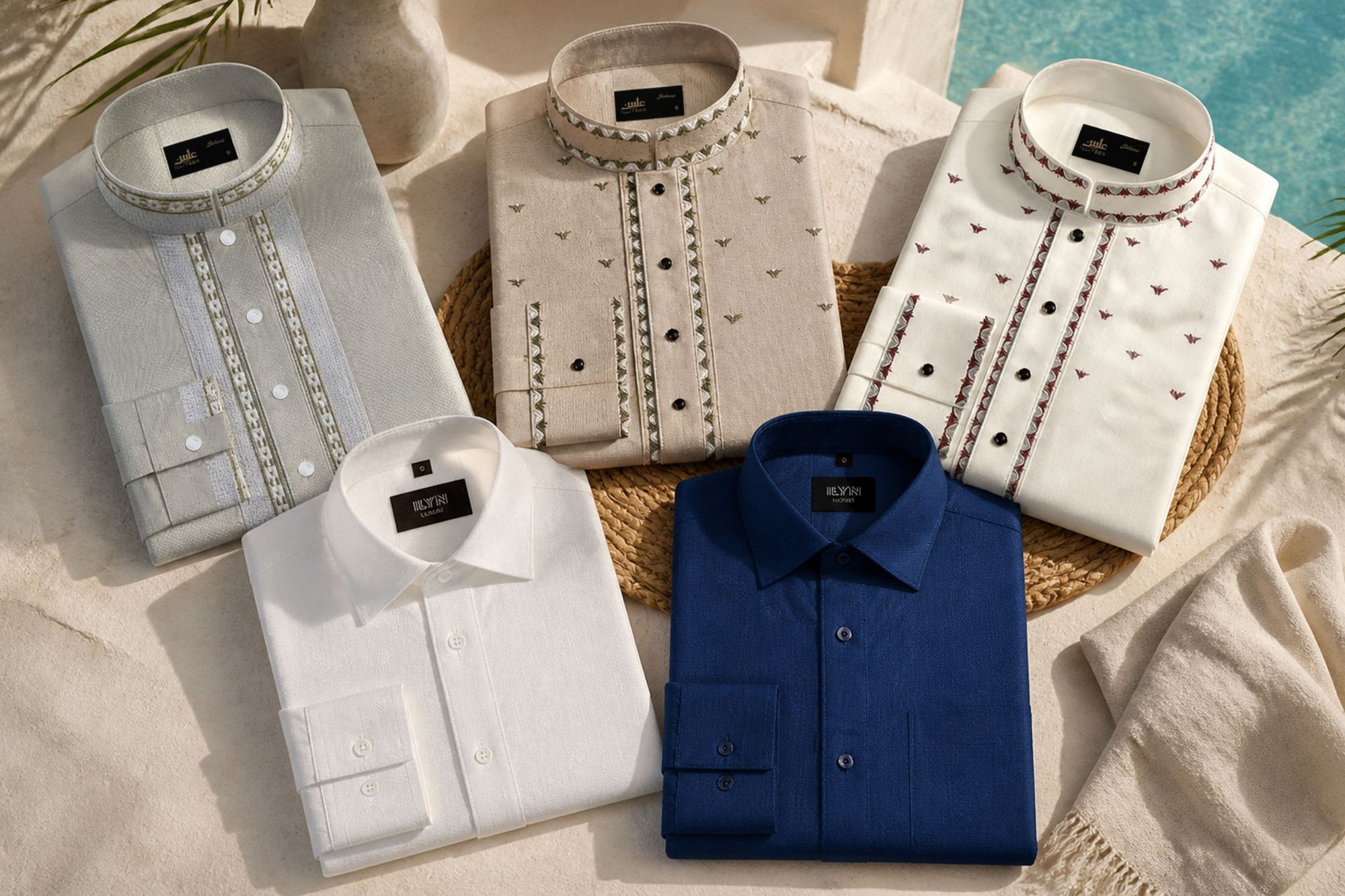
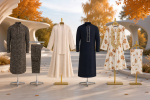
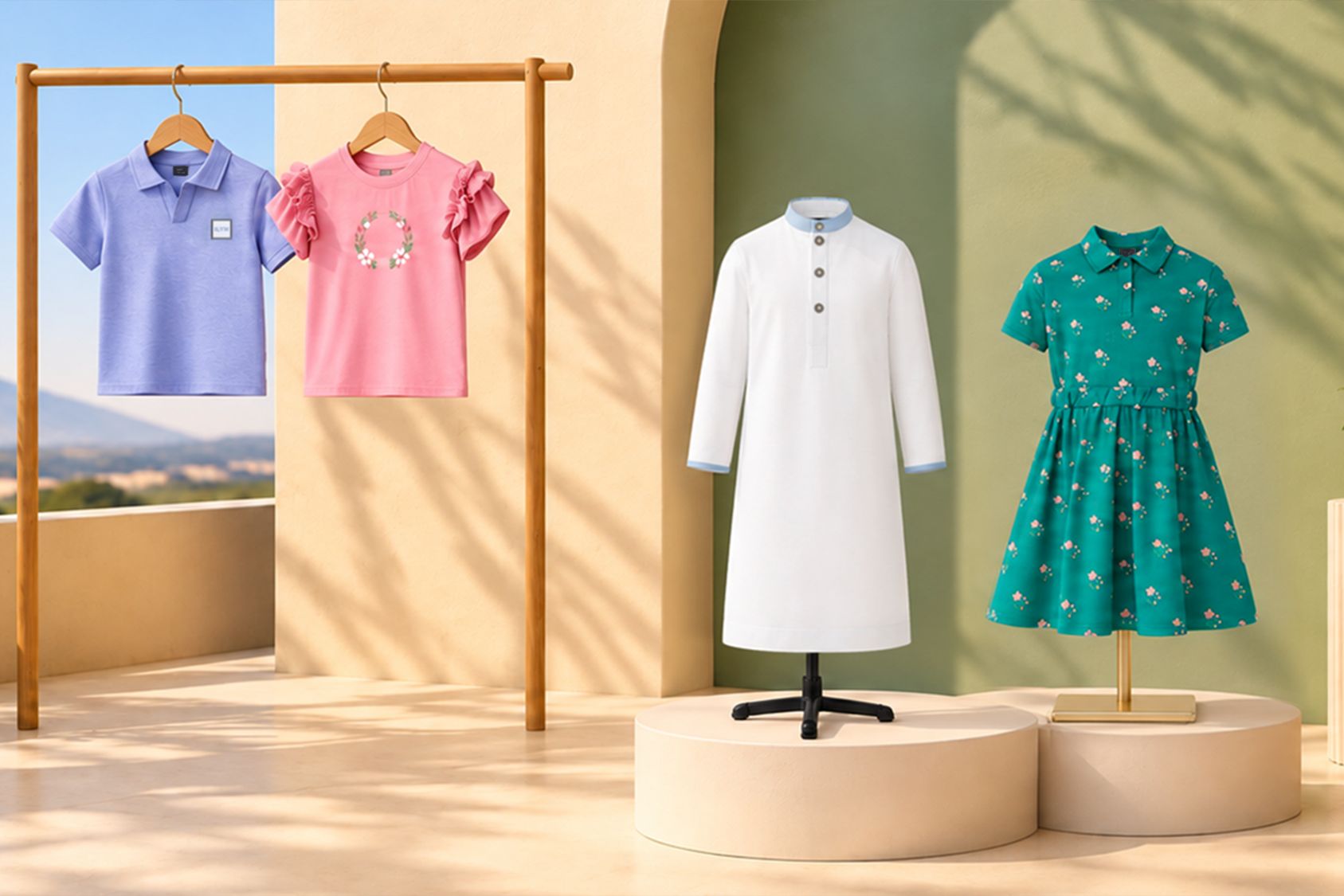
Linen is most at home in casual and semi-casual wear, from shirts and shirting fabrics to lightweight blazers, trousers, panjabis, kurtas, and summer dresses. Its breathability, crisp texture, and relaxed character make it particularly suited to warm-weather dressing.
Pure linen is less suited to formalwear because of its natural tendency to wrinkle. For a cleaner, more polished finish, linen is often blended with other fibers, helping reduce creasing and create a smoother texture suitable for dress shirts, tailored blazers, and suits.
Beyond clothing, linen is used in bedding and curtains, valued for its durability, breathability, and natural texture.
A Thread, Finer with Time
Few fabrics carry their history as visibly as linen, worn for thousands of years and still finding its way into daily life without losing relevance. This historic clothing material was never meant to look untouched. Every crease and soft fade is proof of a fabric doing exactly what it was made to do—settling in, wearing well, and only getting better from here.