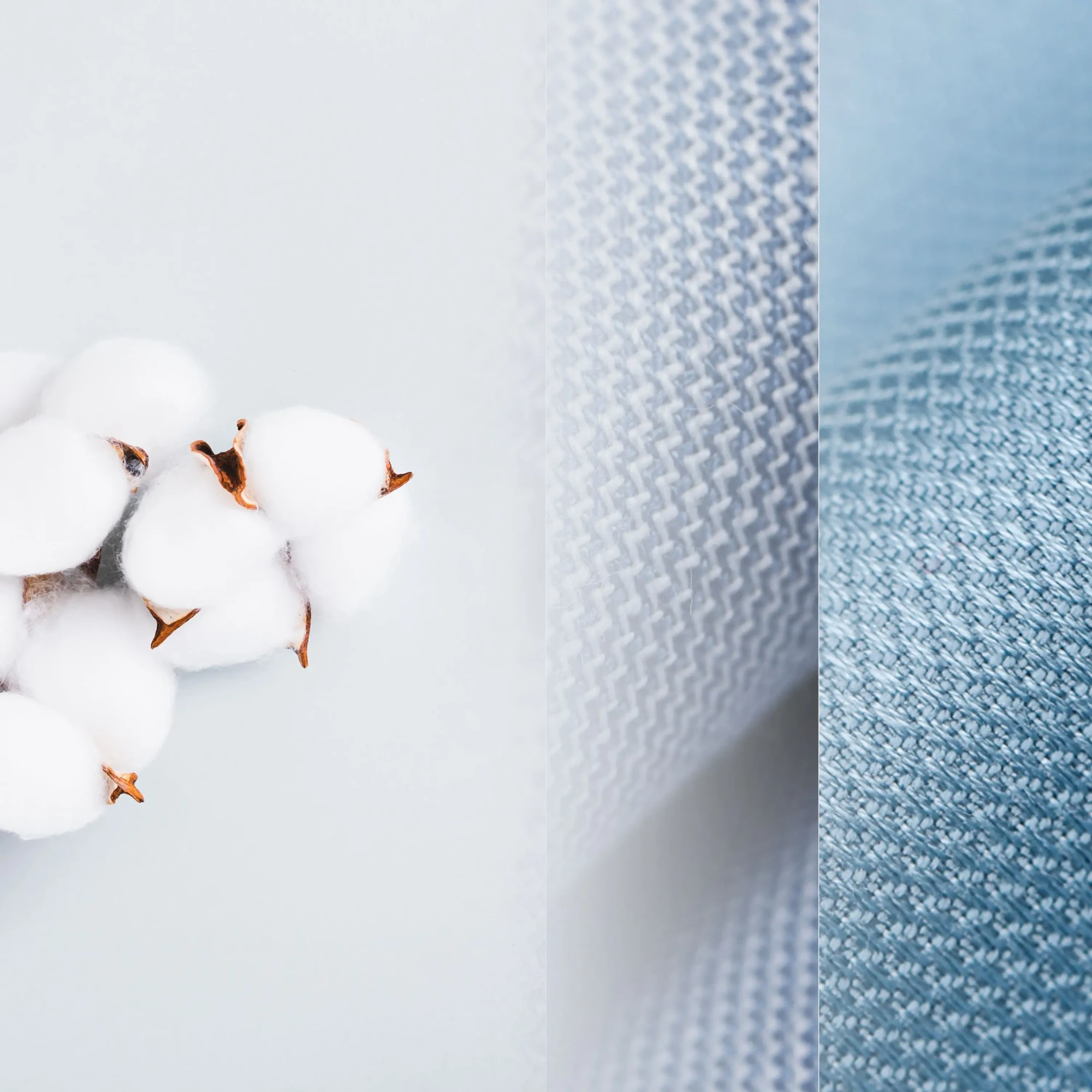



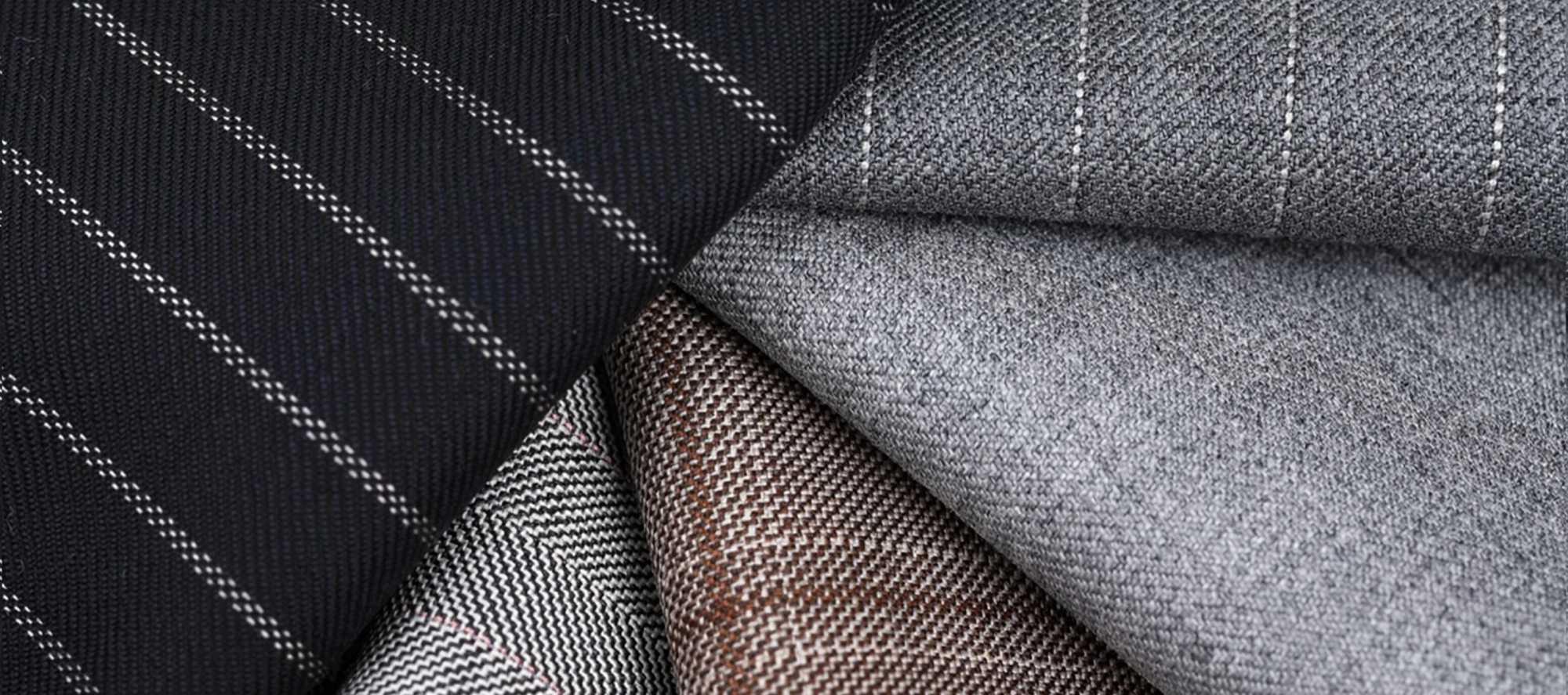
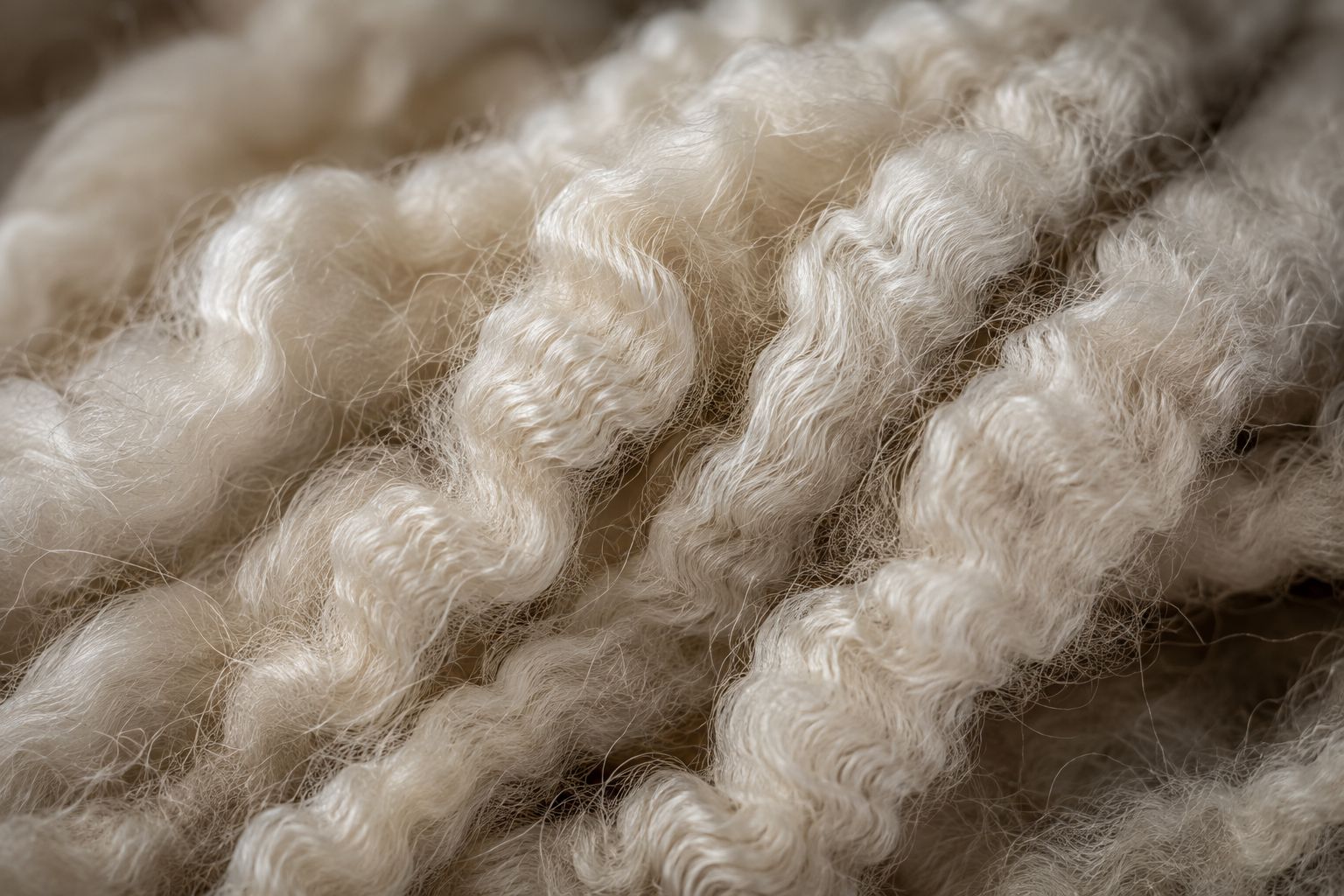
Wool is a natural protein fibre, taken primarily from sheep. Its structure is built from keratin, the same protein found in human hair, which gives the fibre its natural elasticity and resilience. The fibre contains microscopic structures that contribute to its flexibility, moisture management, and ability to recover after bending or compression.
Why Wool Fabric Performs So Well
Wool’s natural fibre structure influences how it responds to heat, moisture, movement and odor, while its renewable origin adds value throughout its lifecycle. These characteristics are what give wool the performance qualities explored below.
Thermal Regulation
1. Feels warm in cold
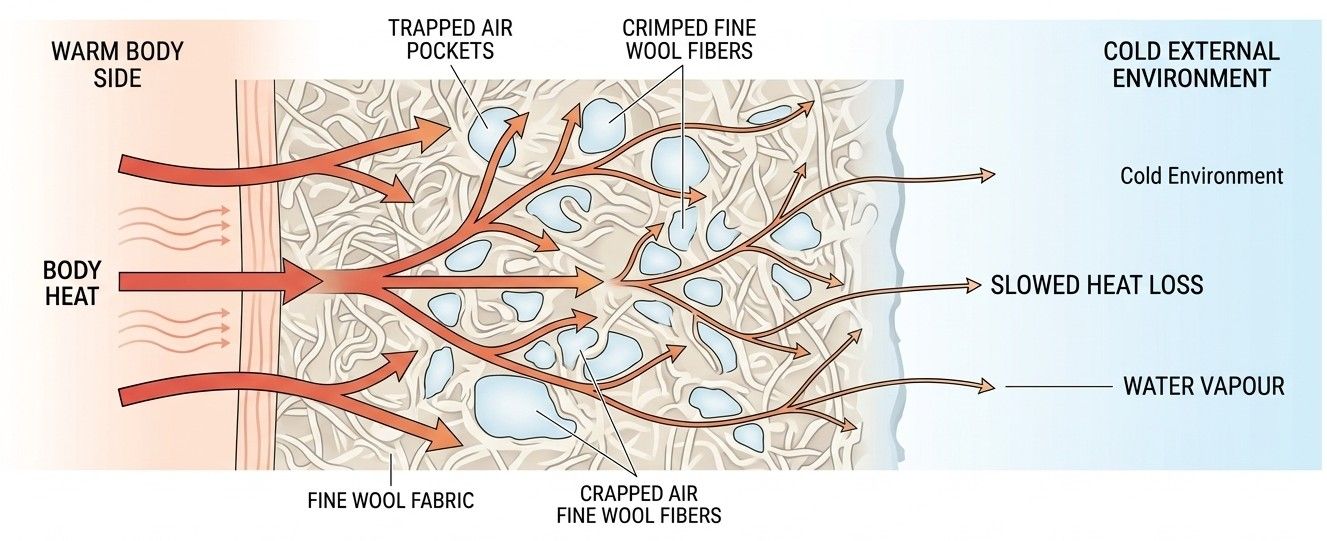
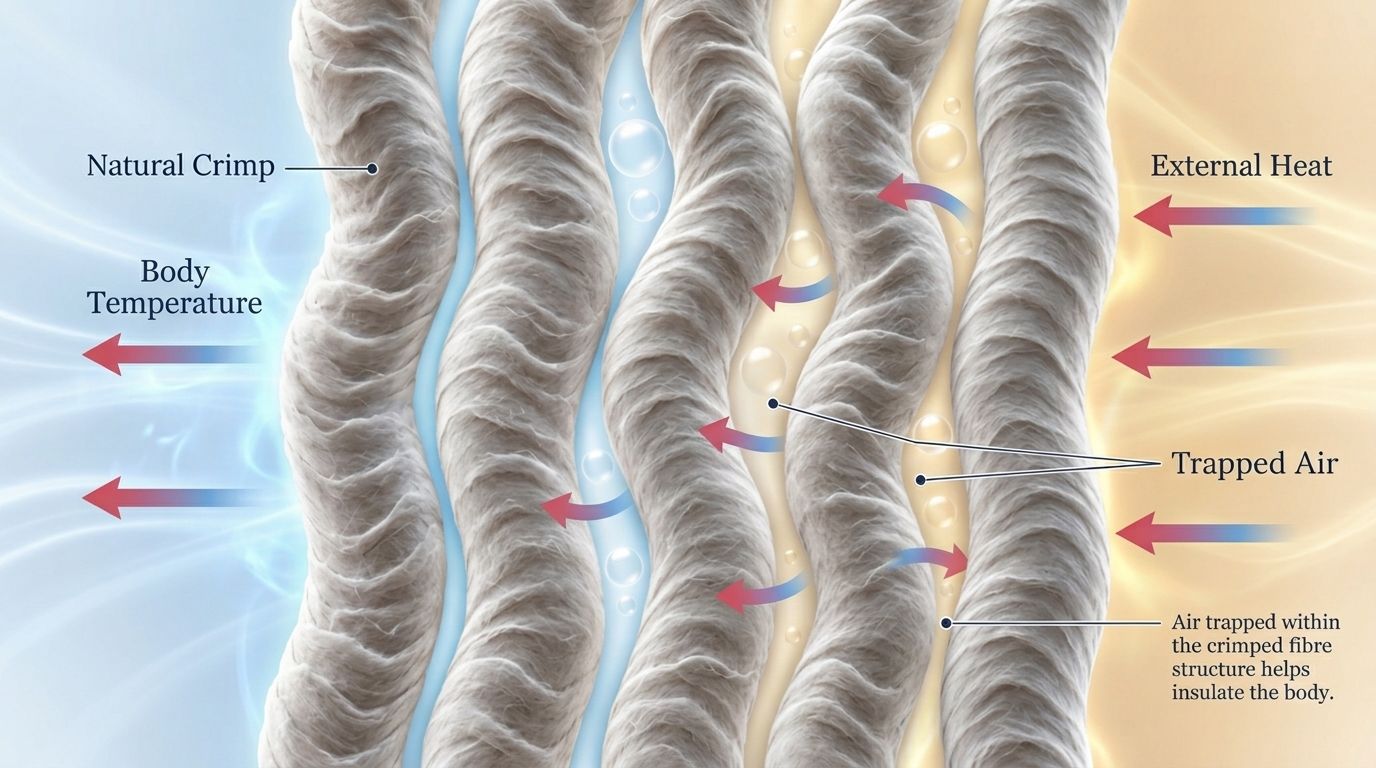
Fine wool helps retain warmth in cold conditions through its naturally crimped fibres, which create air spaces that slow heat transfer. Its hygroscopic keratin structure also absorbs water vapour, releasing heat during moisture uptake. This combination helps stabilise the skin’s microclimate, supporting warmth when surrounding temperatures fall significantly during wear.
2. Feels cool in warm
In warmer conditions, fine wool can support cooling by absorbing water vapour from the skin and releasing it as conditions allow. This moisture exchange helps manage humidity within the clothing microclimate, while wool’s structure permits heat and vapour movement. The result is improved thermal comfort as temperature and activity increase during wear.
Moisture Management
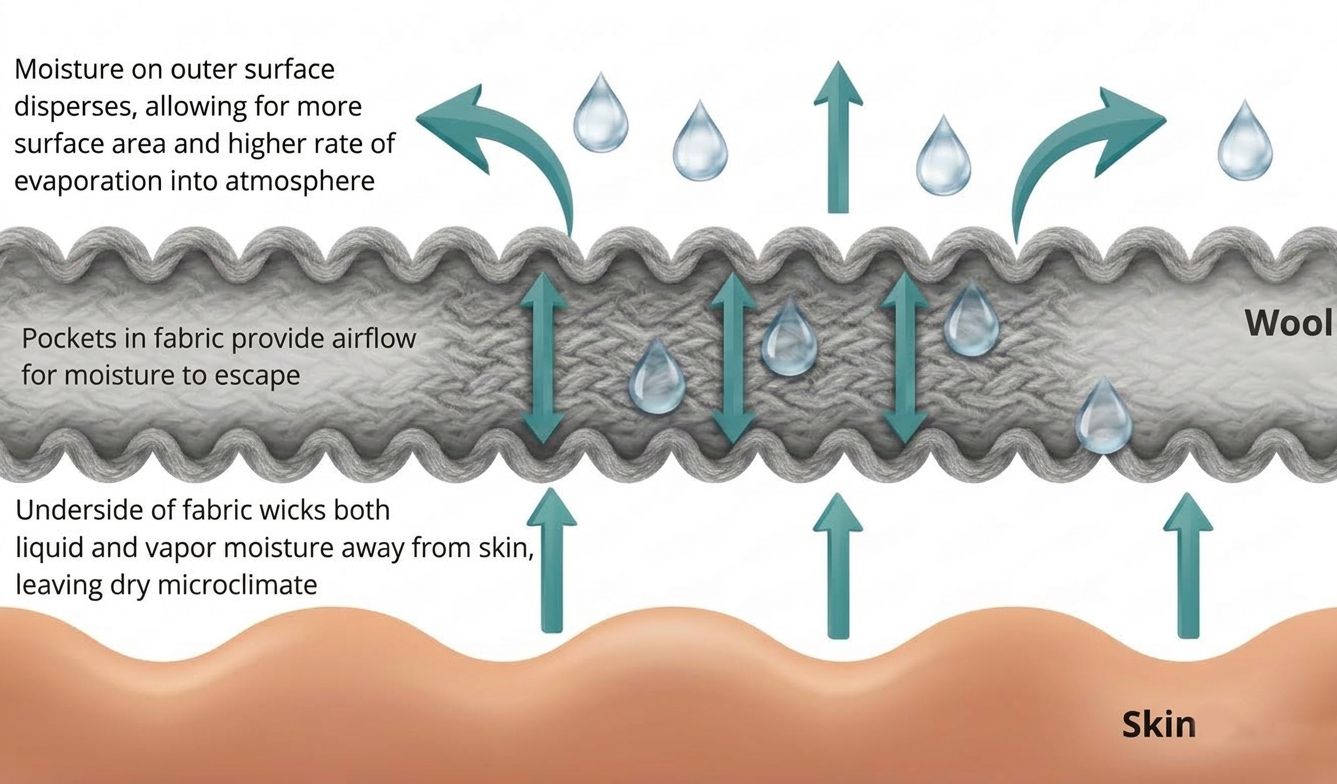
Wool fibre pulls water vapour directly into its core, absorbing up to about 35 percent of its own weight before feeling damp to the touch. This differs from liquid sweat, which tends to sit on the surface of less absorbent fabrics. Once inside the fibre, the moisture is released gradually back into the surrounding air rather than staying trapped against skin.
Natural Resilience
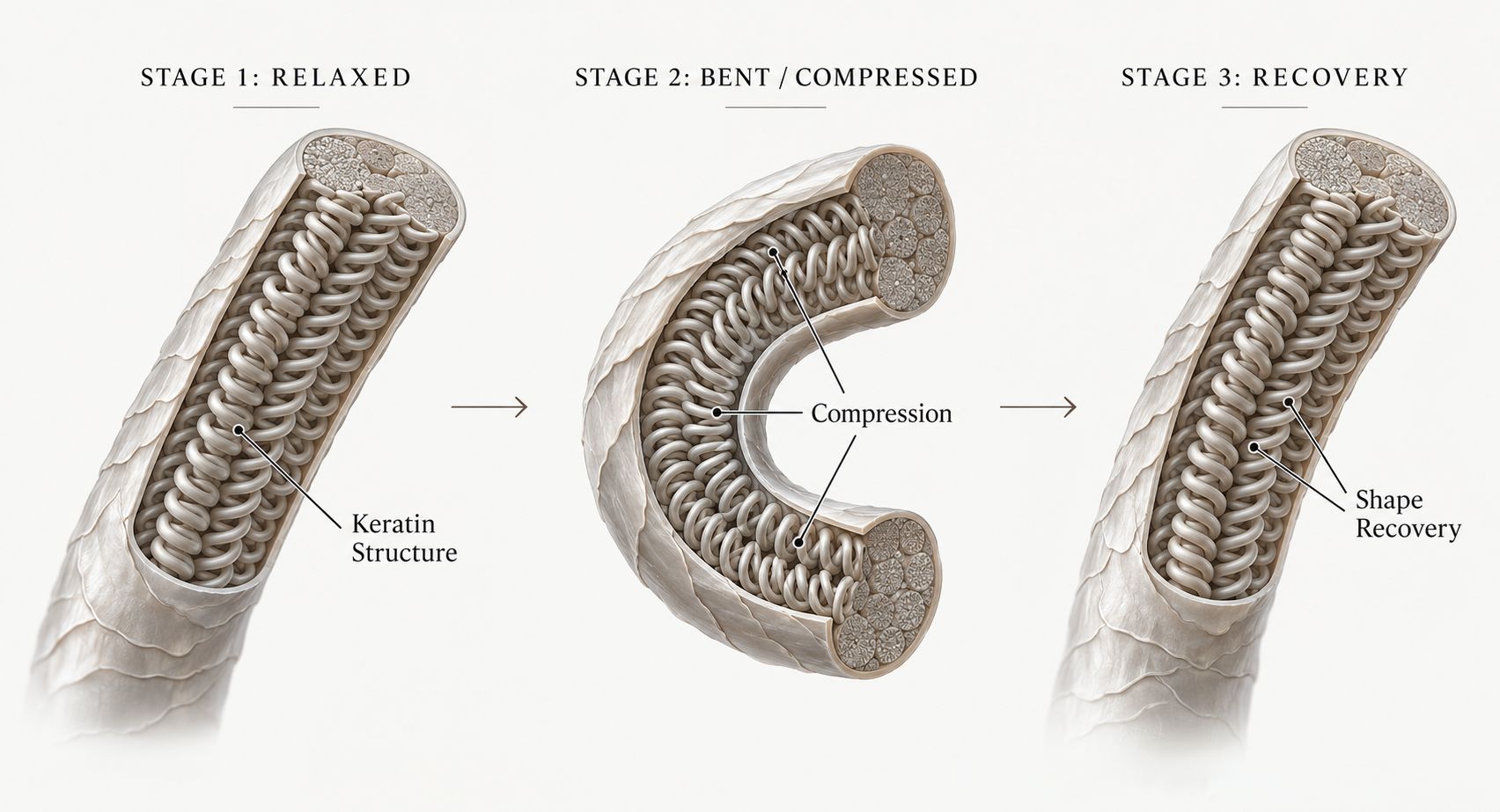
Wool fibre is built from keratin, arranged in a coiled internal structure. That coil stretches under pressure from bending or compression, then relaxes back toward its original shape once the pressure is gone. Creases and folds tend to drop out of wool cloth on their own after a period of rest.
Odor Resistant
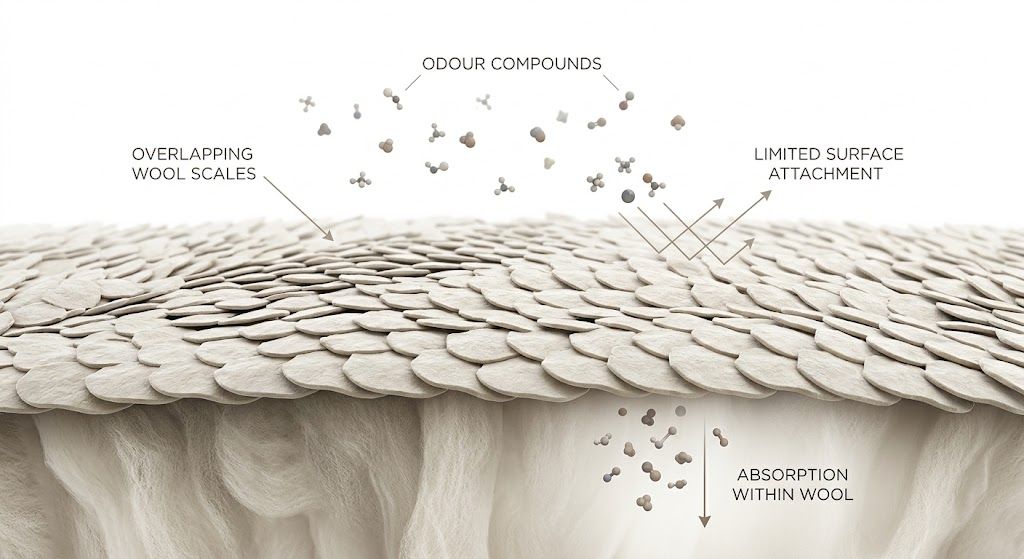
Body odour forms when bacteria break down sweat and skin oils. Wool’s outer layer of overlapping scales limits how easily these compounds attach to the fibre surface, and its protein structure absorbs a portion of them internally. Attire made from wool has been measured to have noticeably lower odour buildup than polyester or cotton after similar wear.
Naturally Sustainable
When sustainability starts with the fibre itself, fine wool offers a natural advantage. The collection of the wool from the sheep requires responsible and humane farming standards supporting regenerative practices. Its durability supports a longer product lifespan, while odour resistance can reduce washing frequency, also helping reduce its environmental impact by lasting longer through repeated use.
What Makes Fine Wool Valuable
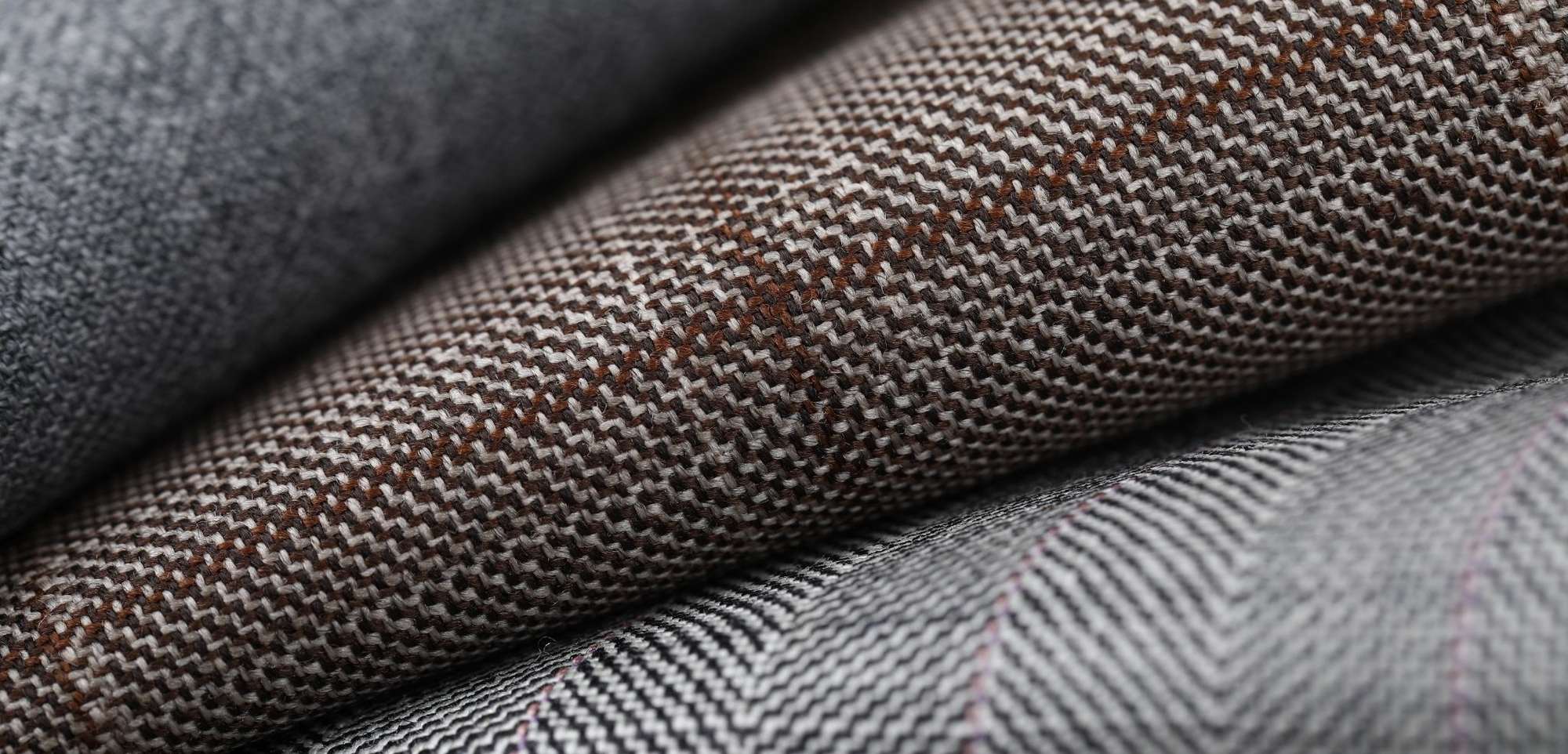
What makes fine wool so highly regarded lies within the fibre itself—its natural softness, warmth, moisture management and remarkable resilience.
But much of that value is difficult to judge by looking at the fabric with bare eyes. The difference becomes clearer when worn—the touch against skin, warmth without unnecessary weight, and the comfort it maintains throughout wear. A photograph can show the fabric, but hardly the experience of wearing it.
That is why fine wool continues to hold its place despite its price. For those unwilling to compromise on material excellence, fine wool remains a fibre worth looking for.