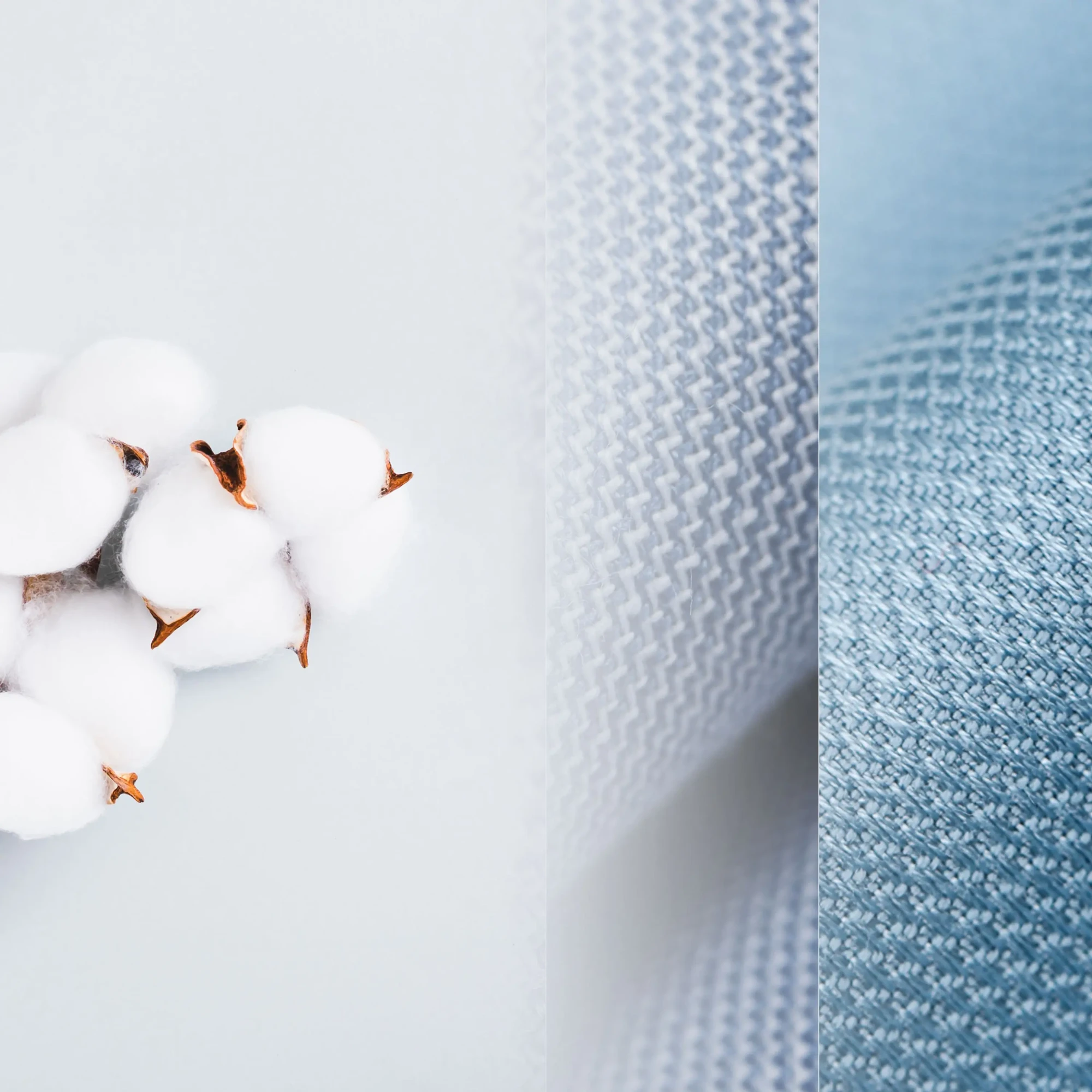



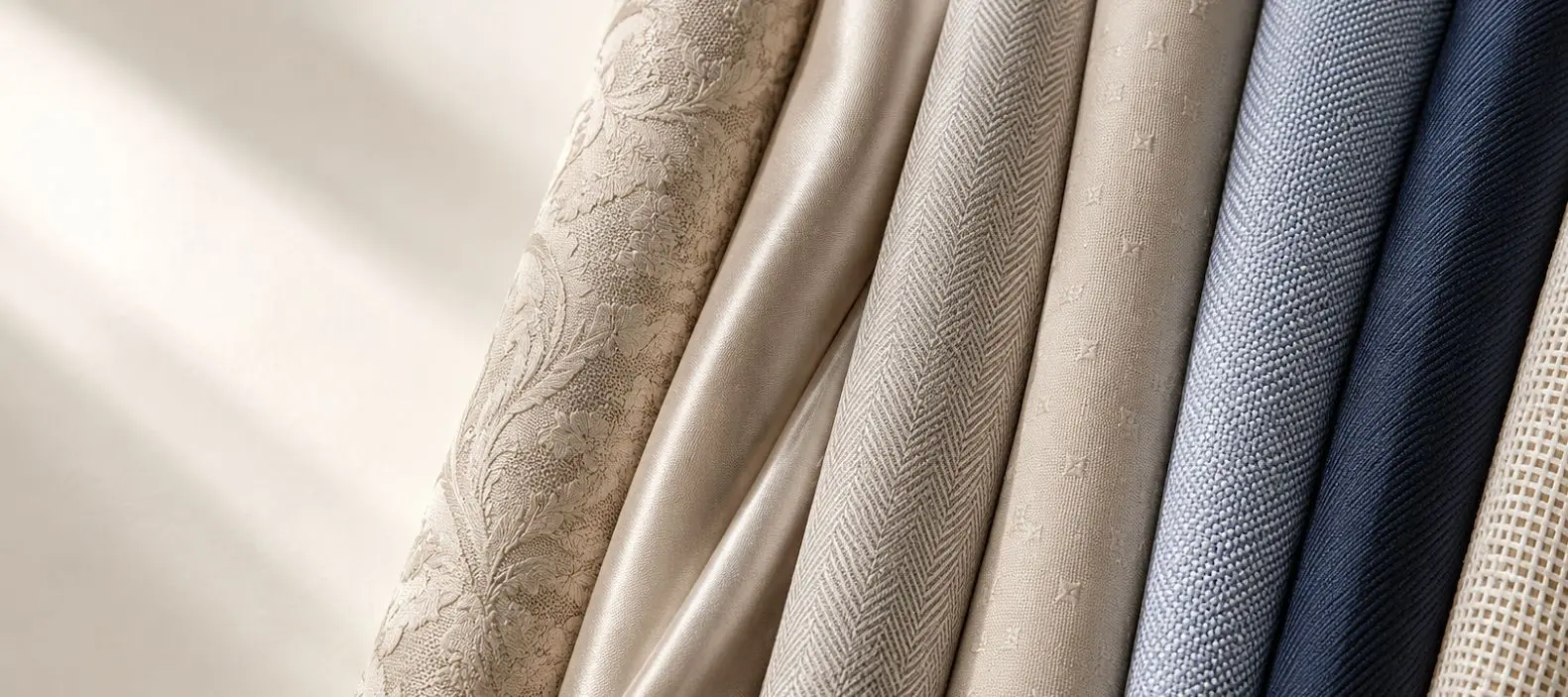
Fabric is not defined solely by the fiber on its label. Whether cotton, polyester, rayon, wool, or silk, what truly shapes how a material looks, feels, and performs is often something most people never notice: the weave.
The weave determines how threads interlace to create structure, influencing everything from durability and breathability to texture and drape. It plays a quiet yet important role in how a garment holds its shape, moves naturally, and reflects light.
By understanding fabric construction, it becomes easier to see why some materials appear smoother, feel more refined, or retain their form over time. Looking beyond the fiber reveals the craftsmanship that gives fabric its distinct character.
What makes each woven fabric look and feel unique?
The answer lies in the weaving techniques that shape their visual depth, forming the foundation of every fabric’s unique identity.
Weave Basics: Texture, Structure
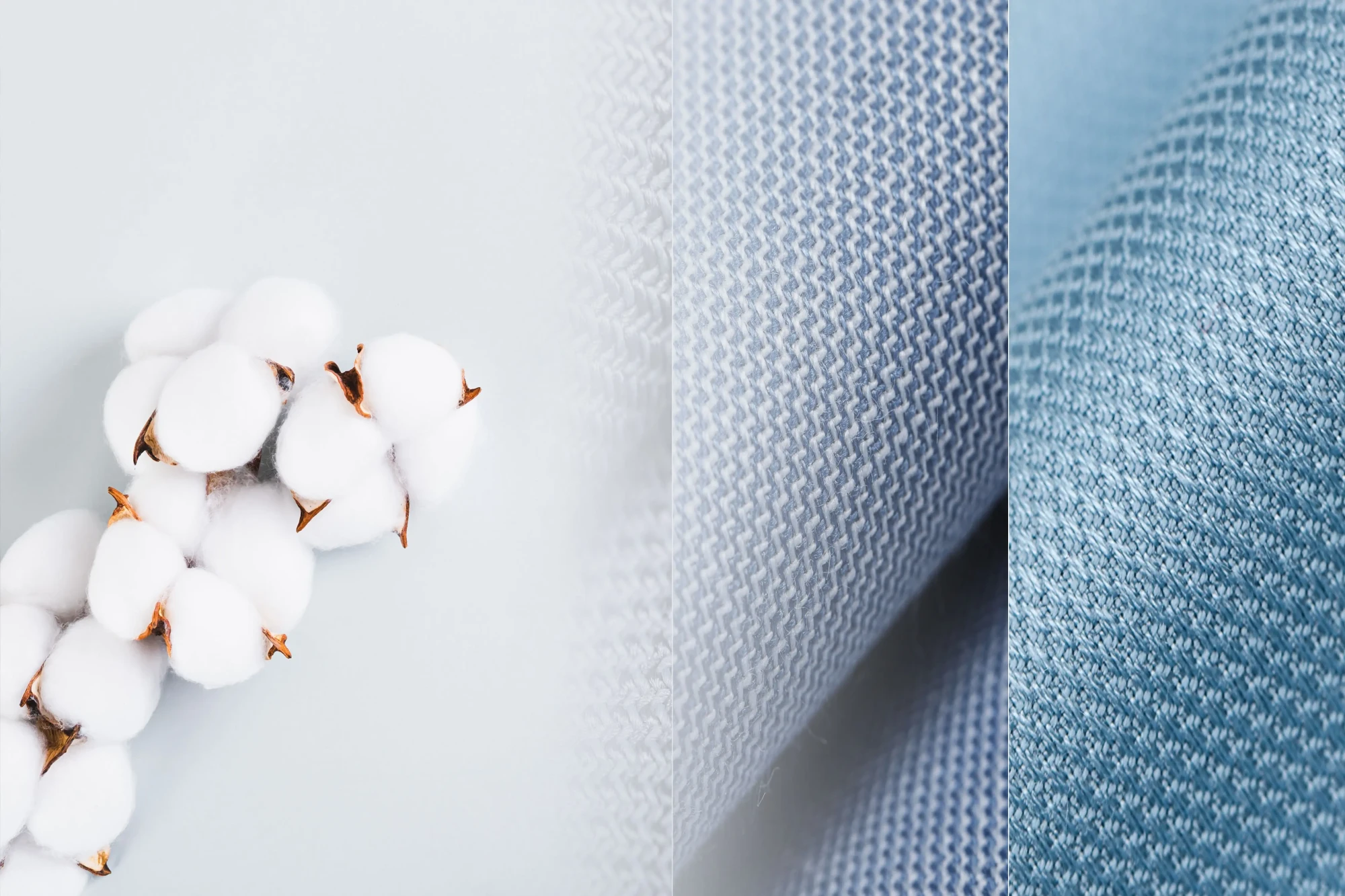
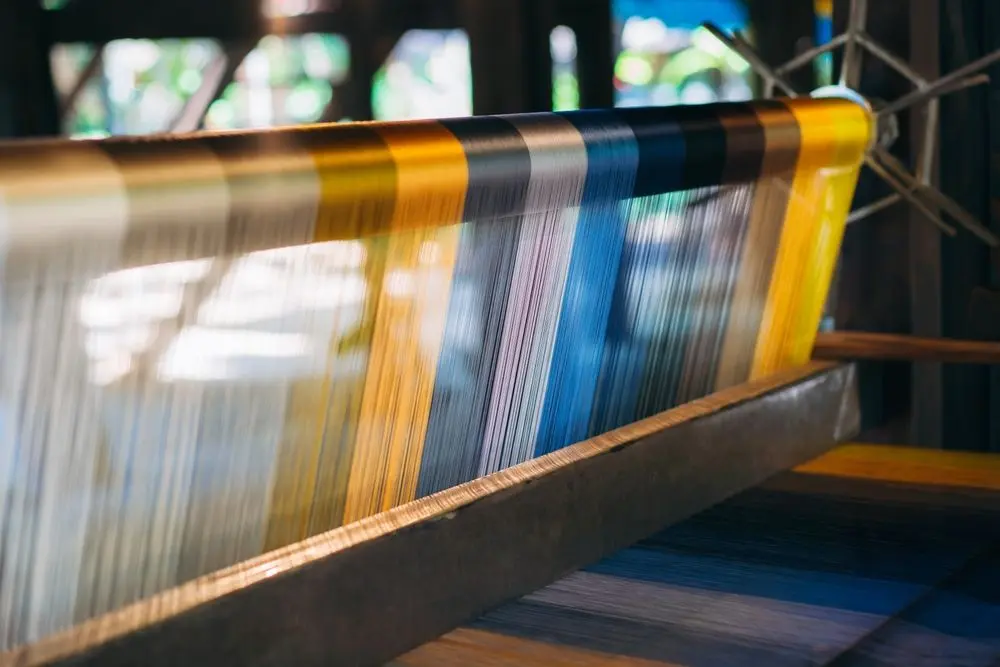
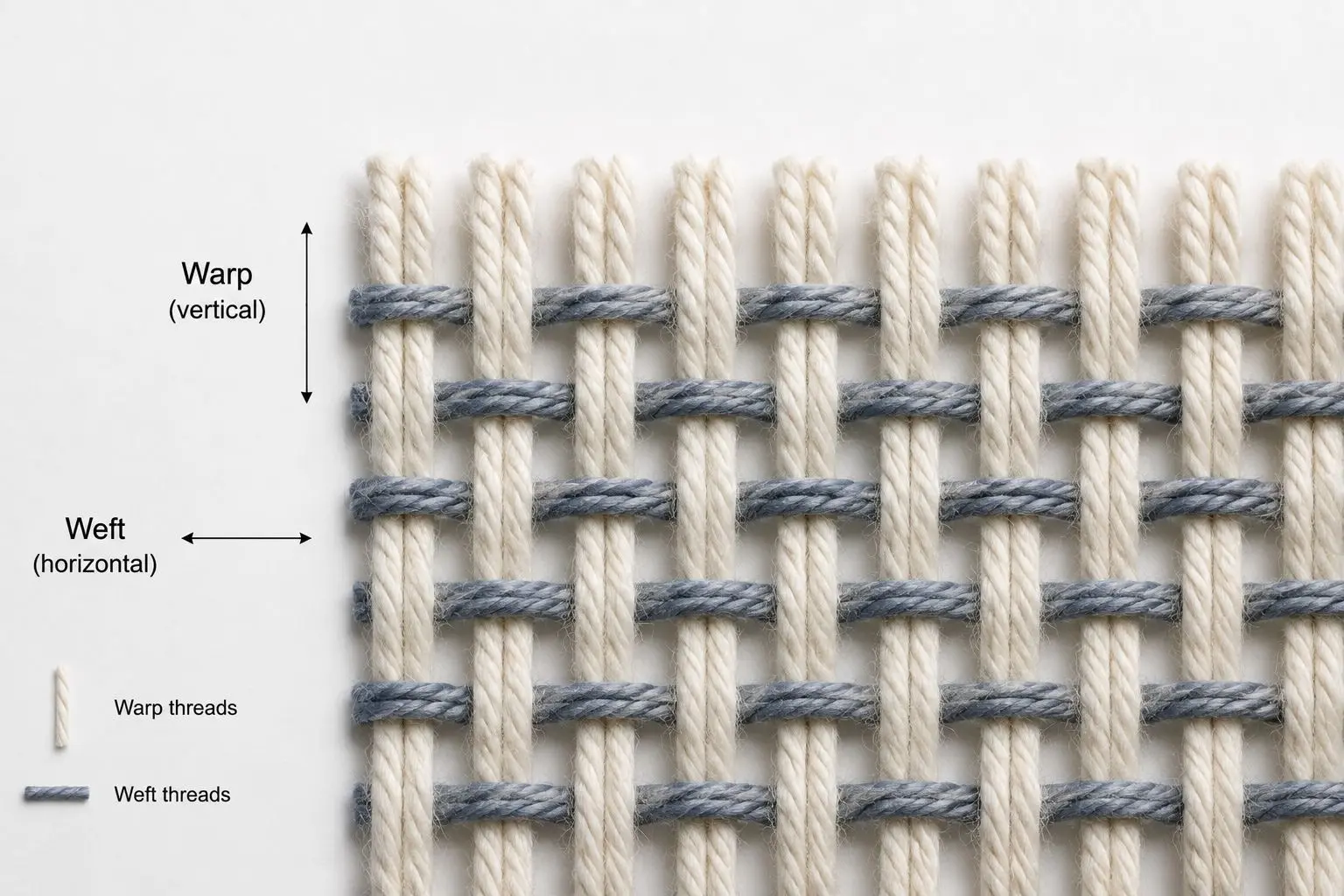
Woven fabric begins with two sets of threads, warp (vertical) and weft (horizontal). How they interlace decides the fabric’s texture, drape, and strength.
Types of Weaves: Texture and Structure at a Glance
Jacquard: Complex Patterns Without Handwork
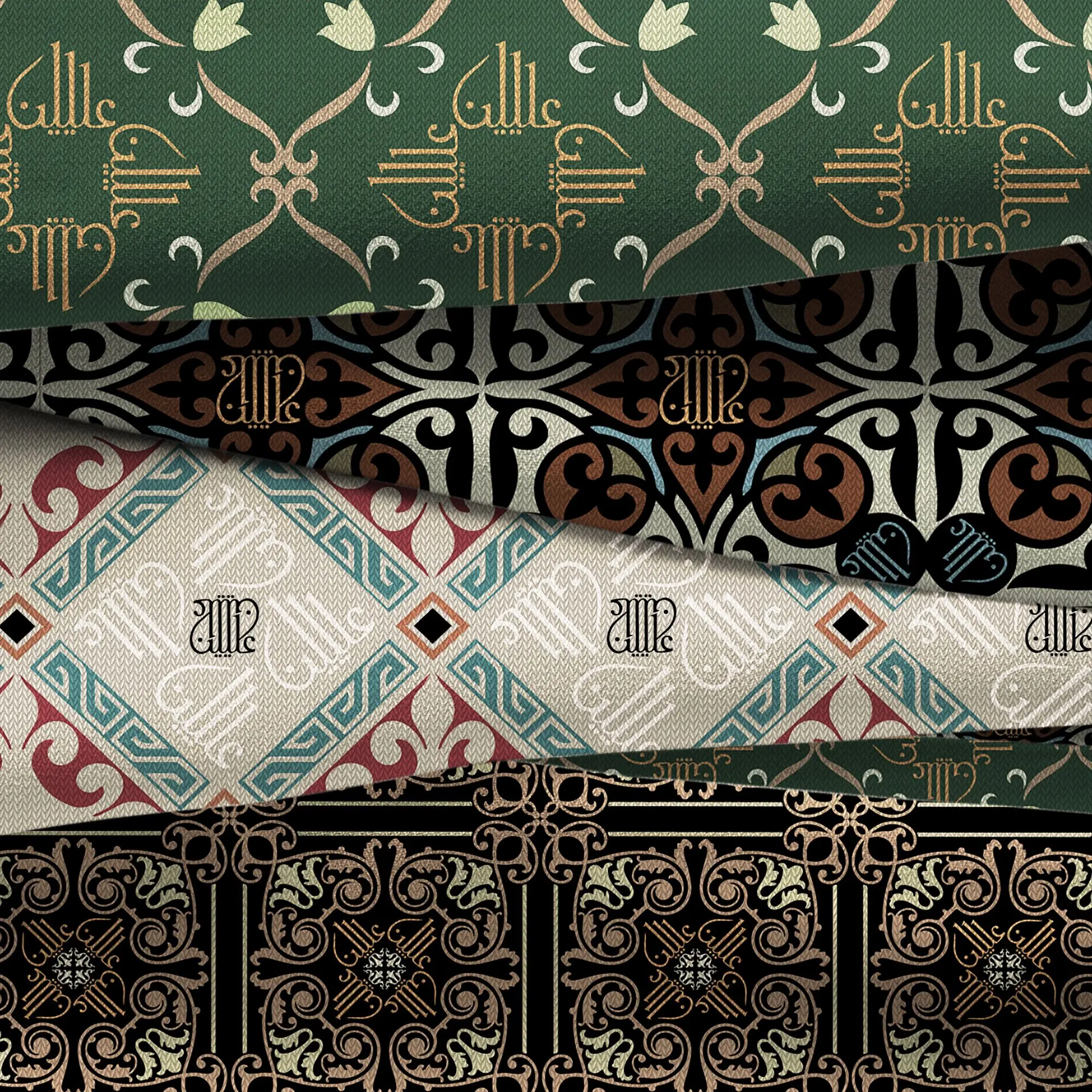
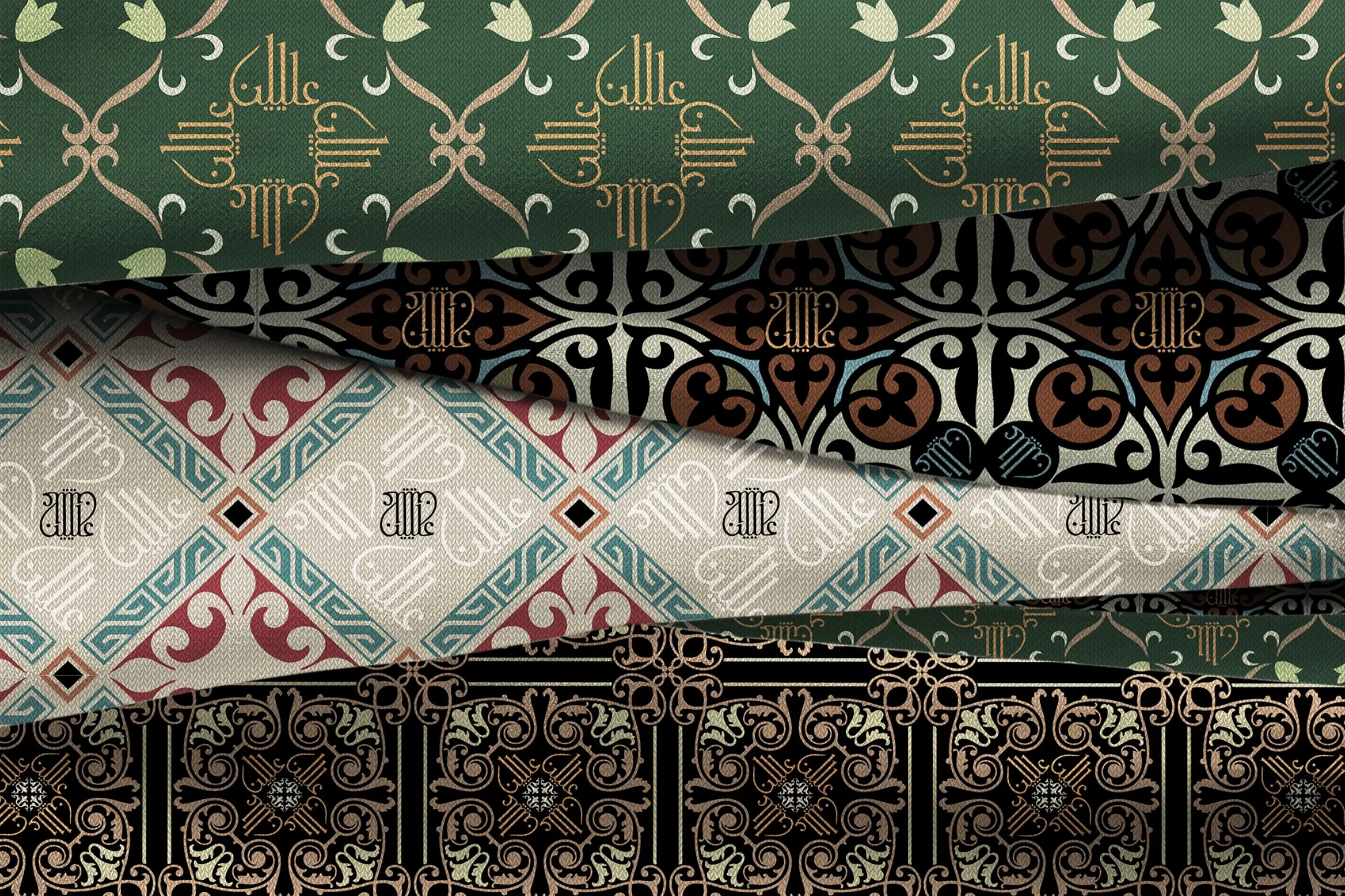
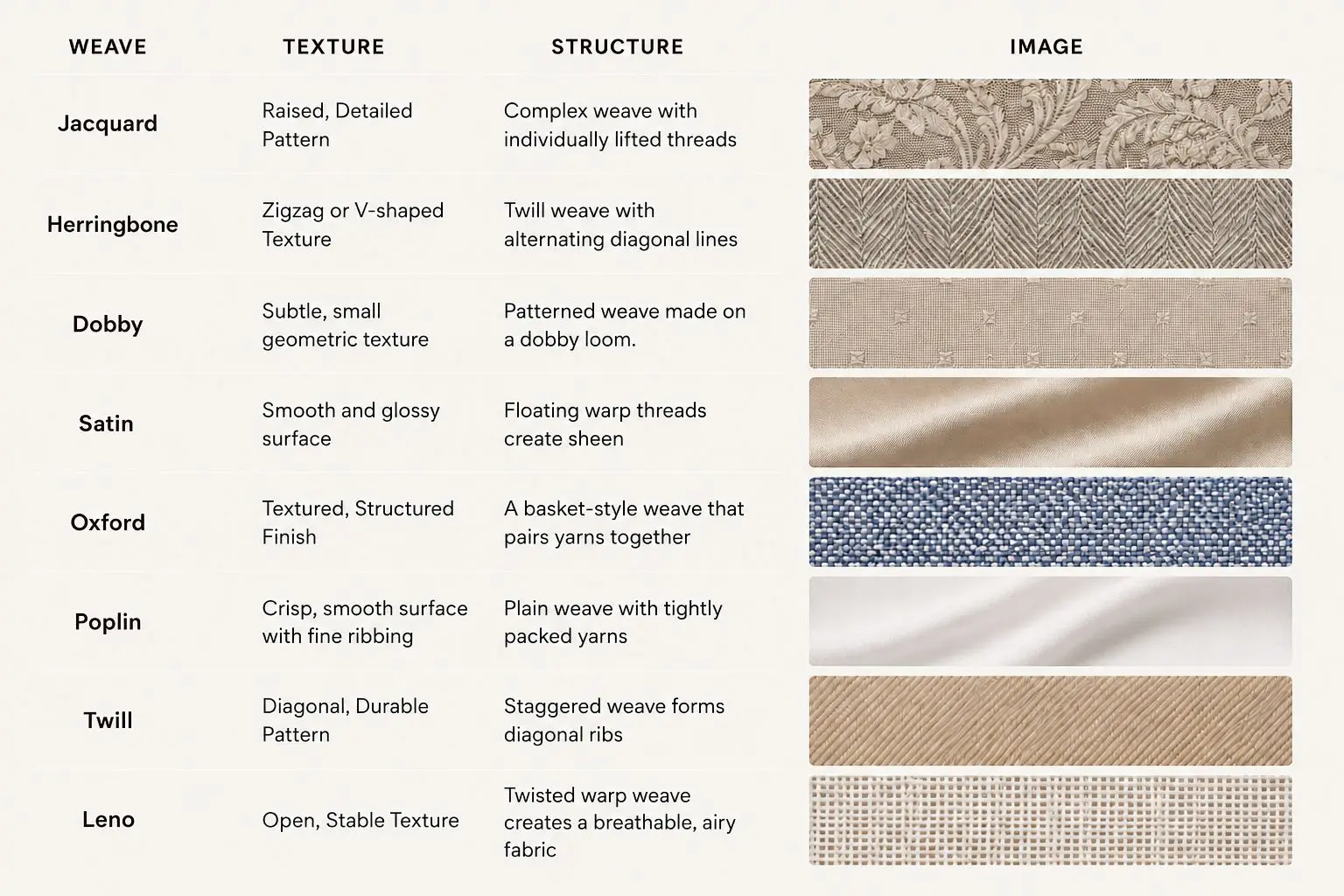
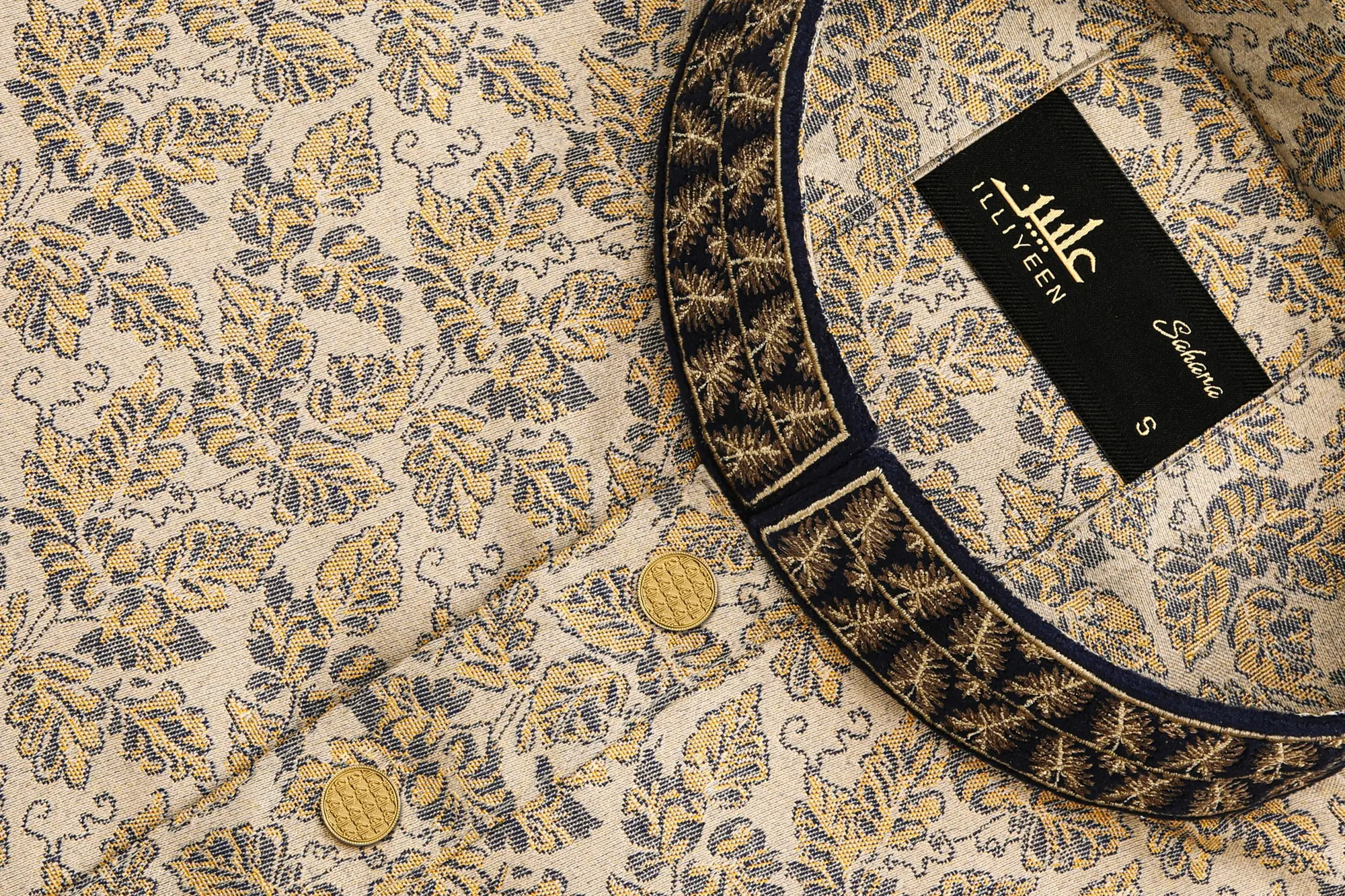
Jacquard is the showstopper. Before the Jacquard loom arrived in 1804, intricate patterns meant hours of hand embroidery. This revolutionary loom wove complex florals, damasks, and elaborate motifs directly into the structure of the cloth—no needlework required. That’s why Jacquard feels rich and textured, with raised, tactile patterns that add a sense of luxury still favored for evening gowns, statement blazers, and upholstery today.
Herringbone: One Pattern Across Centuries
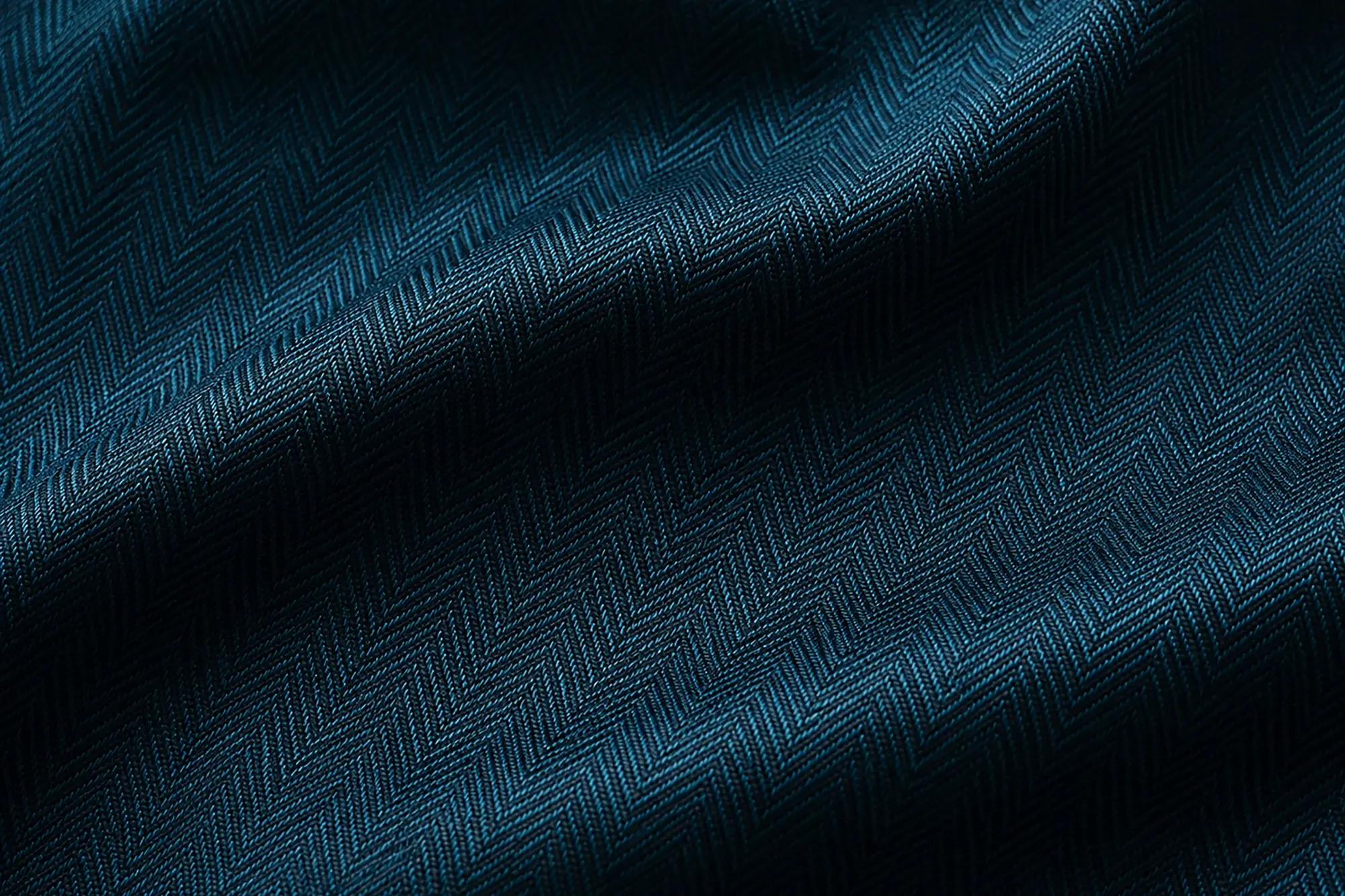
Herringbone is a timeless classic. That distinctive V-shaped zigzag, inspired by the bones of herring fish, has been a menswear staple for centuries, found across tailored coats, wool suits, structured jackets, shirts, trousers, and a wide range of contemporary fashion. The secret is in the twill weave: diagonal lines that suddenly reverse direction, creating chevrons that move across the fabric. Sophisticated without being showy, durable without looking heavy; herringbone doesn’t follow trends because it is the trend.
Satin: Smoothness Shaped by Thread Direction
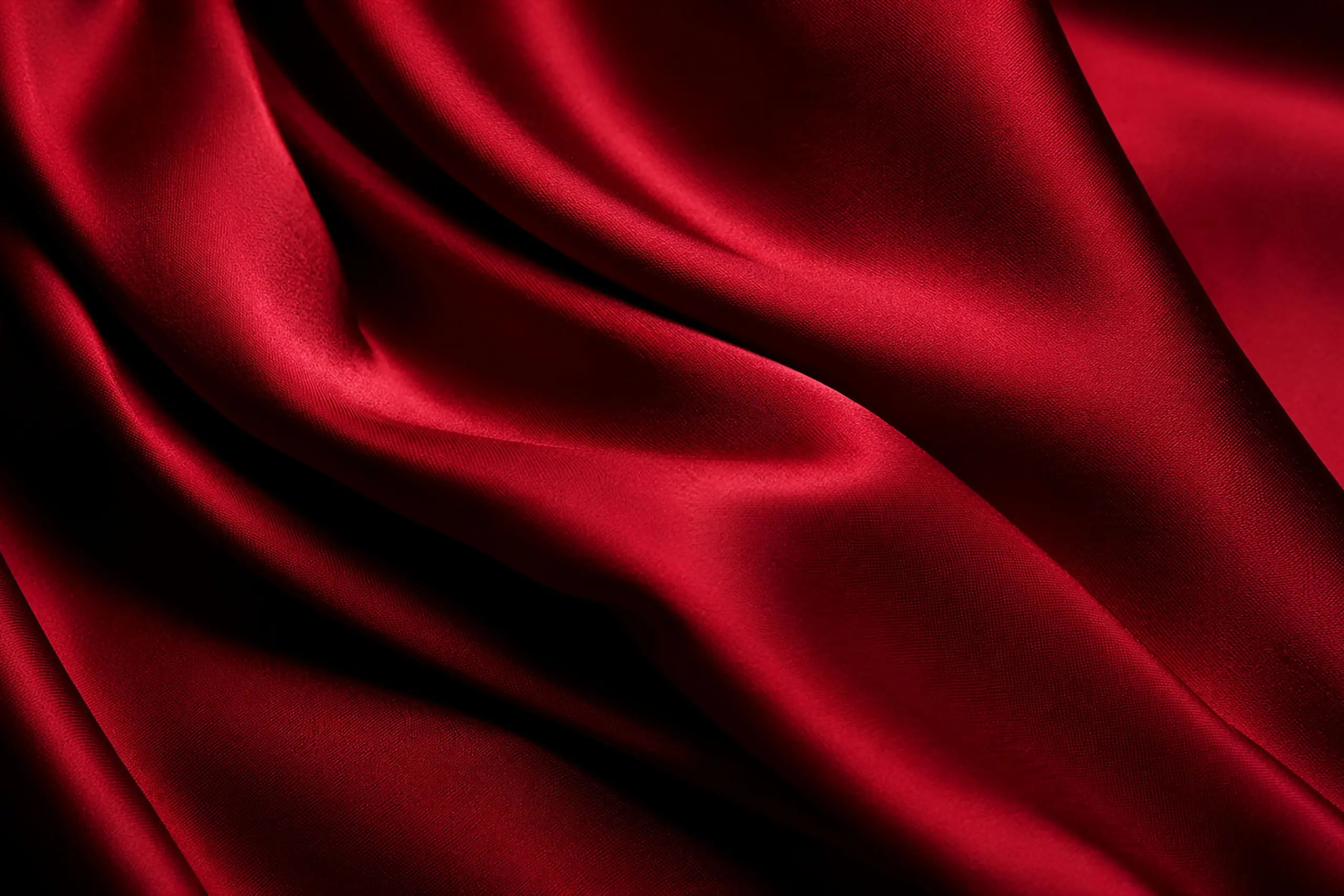
Known for its soft sheen and flowing drape, satin gets its unmistakable shine from its weave structure: warp threads glide over several weft threads before dipping under one, creating a smooth surface that catches light with ease. The word “satin” actually comes from Zayton, the old Arabic name for the Chinese port city of Quanzhou, where this glossy fabric was first traded centuries ago. Satin brings a silk-like feel to modern fabrics woven from polyester, cotton, nylon, and rayon, bringing to everyday fashion the luxurious feel once enjoyed by Chinese royalty in silk.
Dobby: Detailed Patterns Woven with Precision
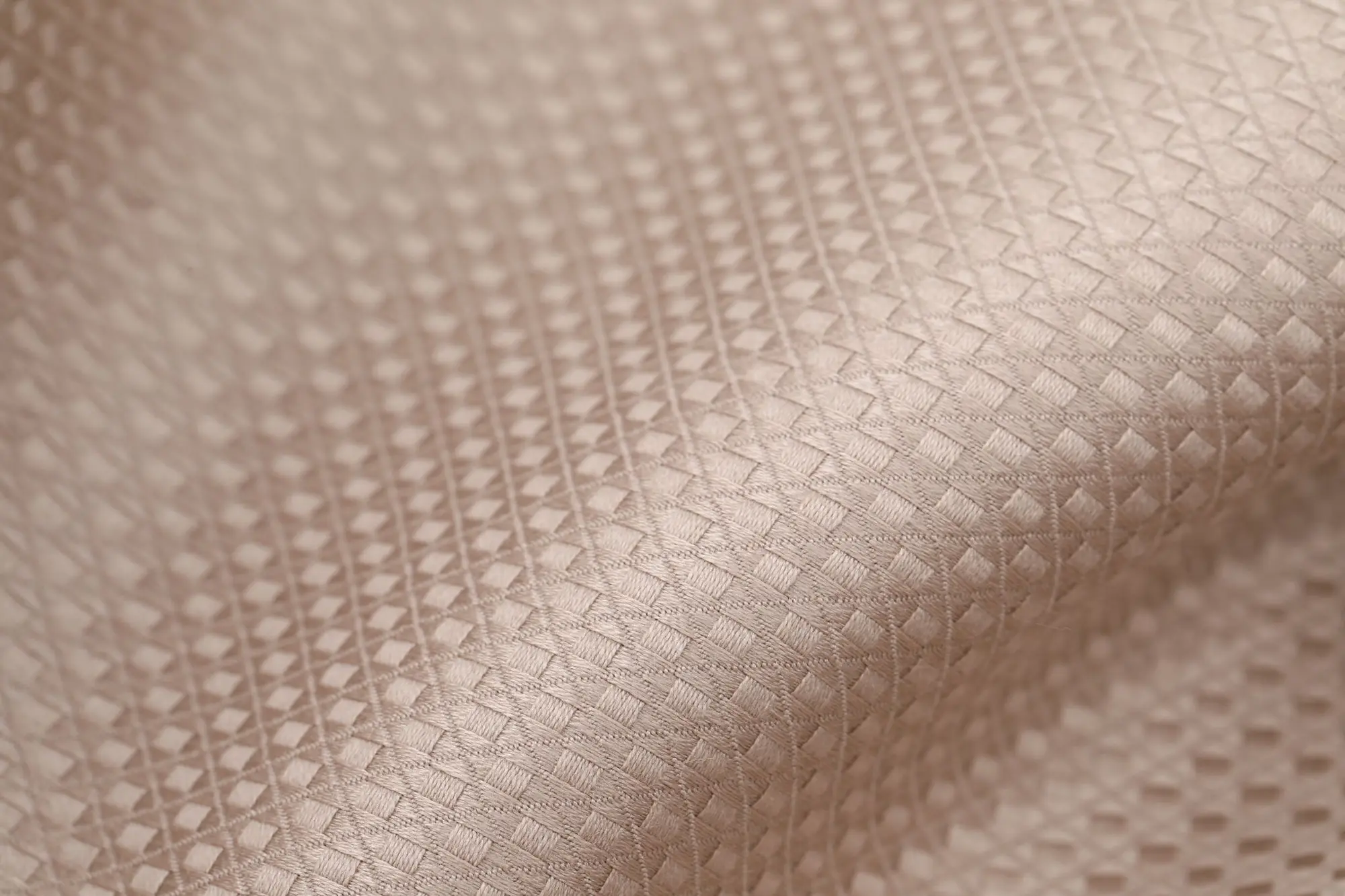
Tiny patterns, gentle finish, and a hint of movement define the Dobby weave—refined but never flashy. It takes shape on a Dobby loom, which controls warp threads in small, precise groups, creating patterns more intricate than plain weaves but lighter than Jacquard. Fittingly, “Dobby” comes from an old English term for a weaver’s helper who once lifted warp threads by hand. Often used in cotton shirts, dresses, and home textiles, Dobby weaves are prized for their clean finish and understated elegance.
Oxford: The Timeless Fabric of Comfort and Style
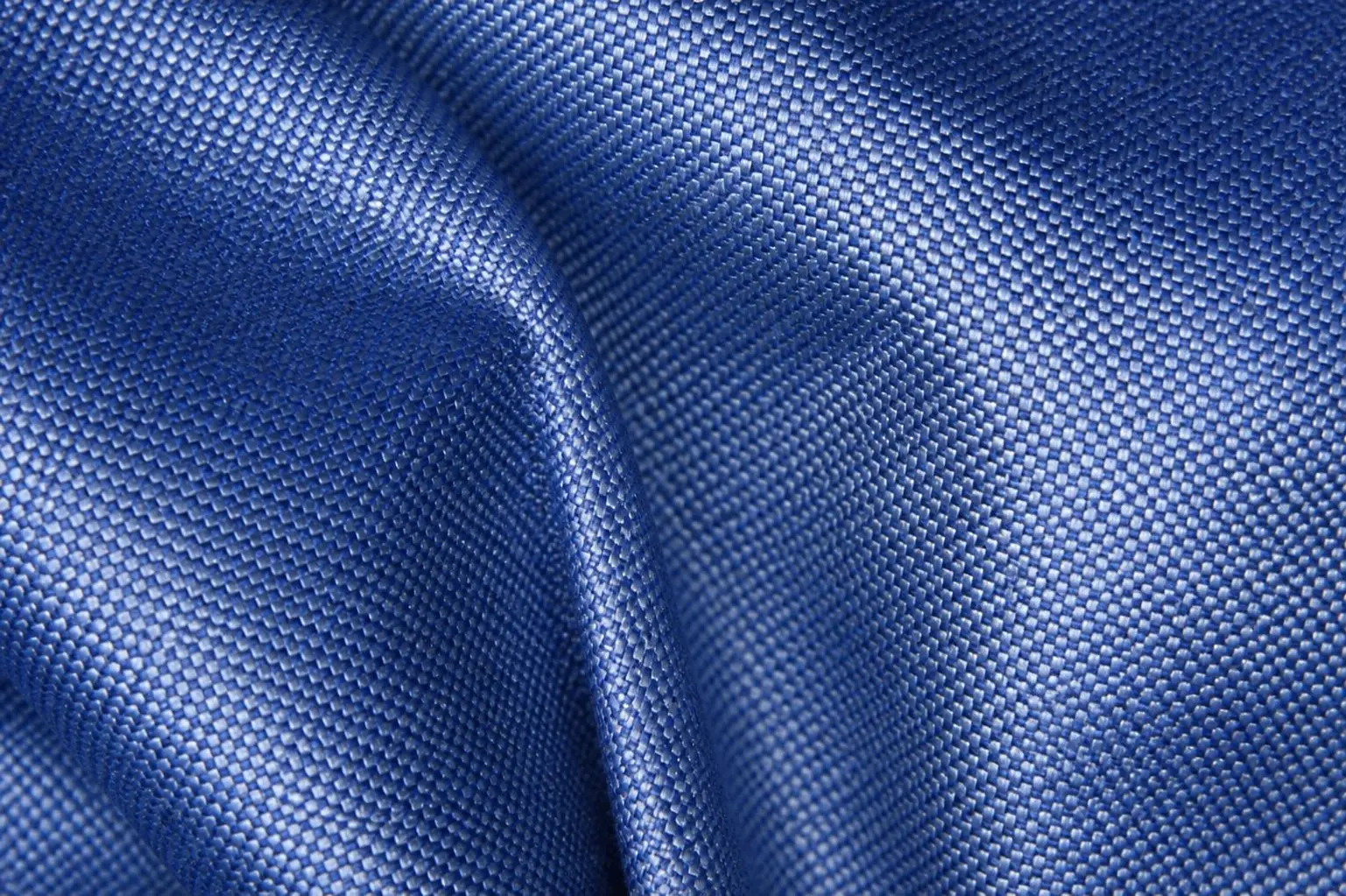
Oxford weave is recognized for its distinctive basket-style pattern, created by weaving multiple yarns together into a fabric that’s both soft and durable. Its subtle texture adds visual depth while maintaining a clean, versatile appearance—breathable, resilient, and structured enough to hold its shape without sacrificing ease of movement. Originally associated with classic dress shirts, Oxford weave became appreciated for bridging formal and casual style, making it a timeless staple in modern wardrobes.
Poplin: Crisp, Clean, and Endlessly Versatile
Poplin is a plain weave fabric built on a simple principle: fine, closely woven yarns creating a smooth surface with a subtle ribbed effect. That tight construction is what gives poplin its signature crispness—a fabric that holds a sharp silhouette while remaining lightweight and breathable. Historically used for formal shirting and military uniforms, poplin’s clean drape and matte finish have made it a mainstay of dress shirts, trousers, and tailored pieces where a polished look matters as much as comfort.
Twill: Diagonal Strength, Durable, and Stylish
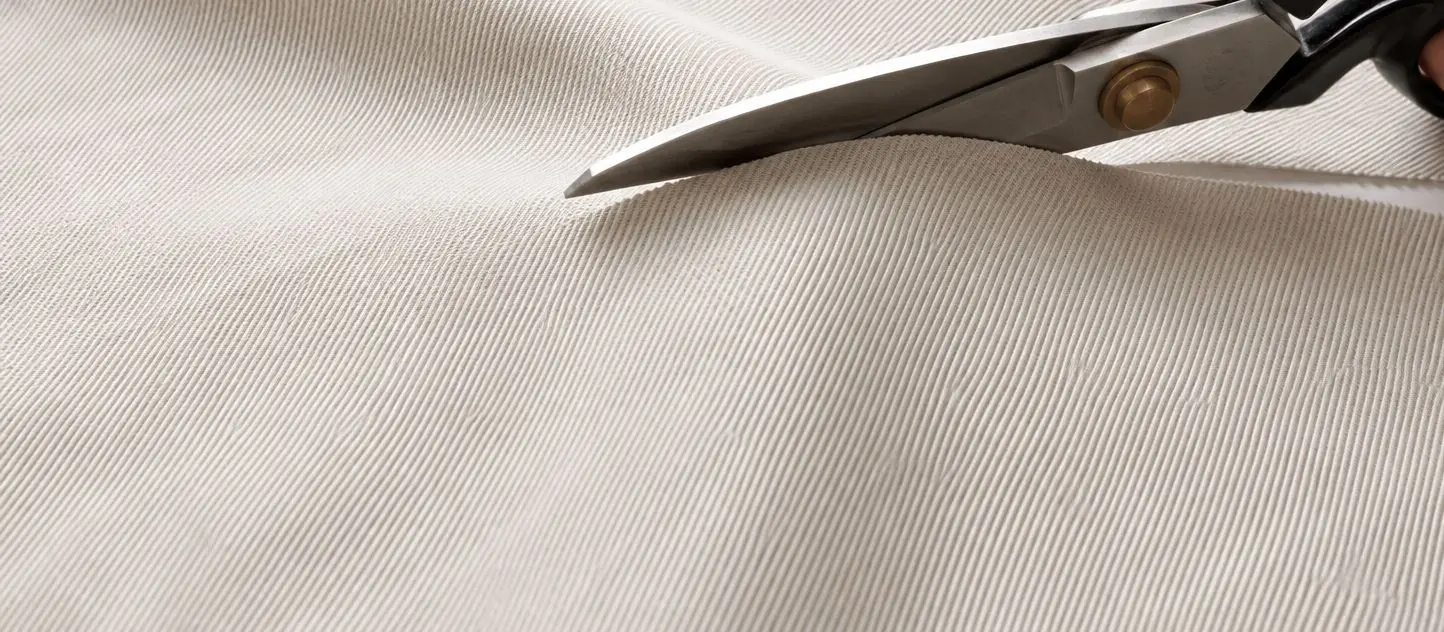
Twill weave is known for its characteristic diagonal rib pattern, created by passing the weft thread over one or more warp threads, then under two or more in a staggered sequence. This produces a fabric that’s durable, drapes well, and resists wrinkles—strong yet flexible, with a subtle diagonal texture reliable for trousers, jackets, and denim. Twill has been used for centuries in workwear and uniforms for its strength and stain-hiding ability, yet its elegant drape has carried it into high fashion as well.
Leno: Airy and Stable, the Open-Weave Classic
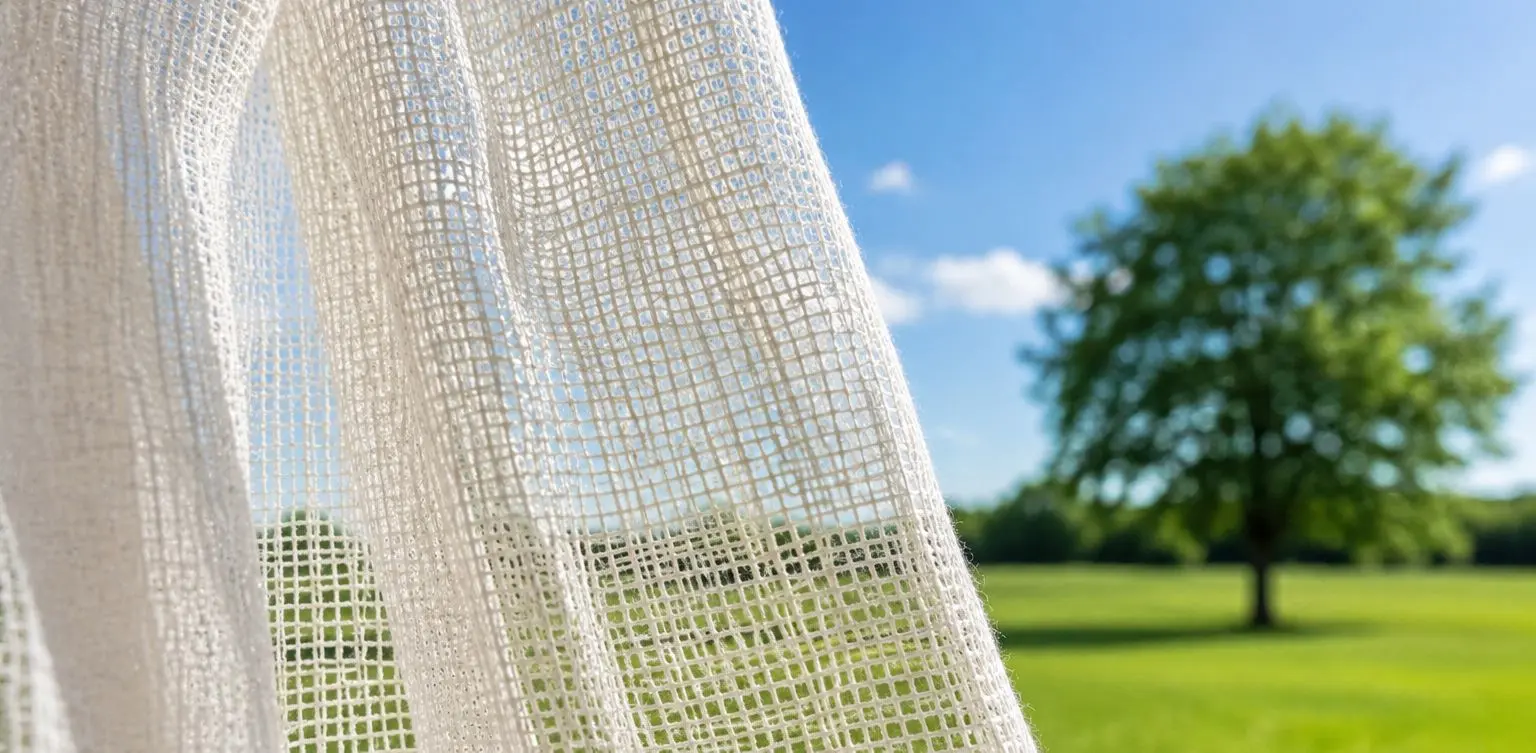
Leno weave is a specialized construction where pairs of warp threads twist around the weft threads, creating an open, mesh-like structure. This twisting prevents the fabric from shifting or sagging, giving it durability despite its lightweight, airy build—ideal for curtains, netting, and breathable summer garments. Historically used in gauze and cheesecloth, leno gradually found its way into decorative and fashion fabrics for its distinctive open-weave appearance.
The next time you shop, whether online or in-store, take a moment to observe the fabric. Notice its texture, how it reflects light, and the way it feels to the touch. These details go beyond basic quality and highlight the craftsmanship and structure that define a fabric’s character.
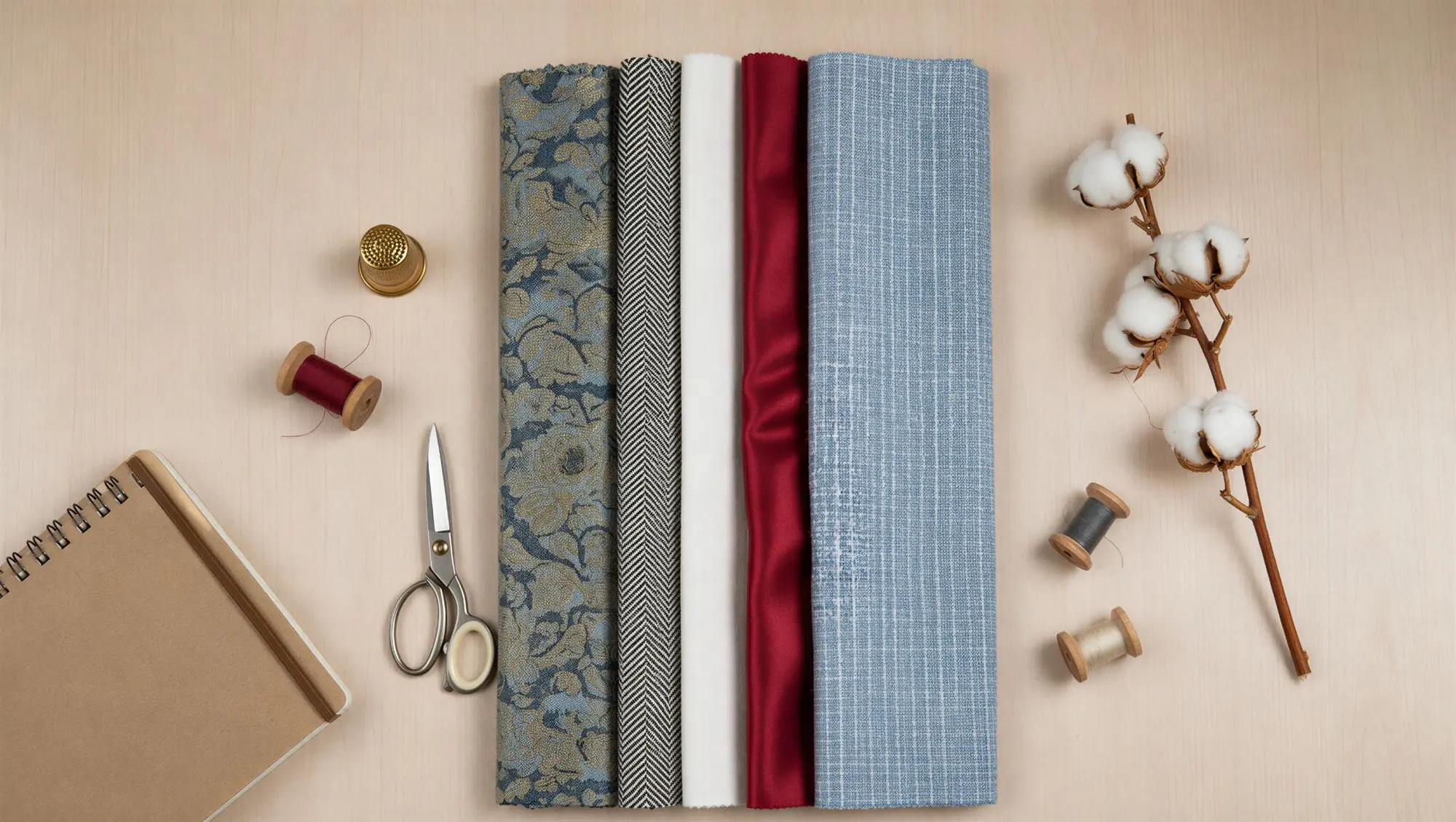
Because at the end of the day, fashion isn’t just about what you wear. It’s about understanding why something looks good, feels good, and lasts. And why? It’s been woven into every piece all along, a language of texture and technique that’s been speaking to us for centuries.