
A quiet revolution in formalwear
Formalwear has always been a language, and for decades, the boardrooms worldwide spoke only one dialect and that is the whole borrowed architecture of Western business dress. The Panjabi, Kabli or Thobe were never invited to that conversation. It belonged elsewhere — weddings, prayers, the occasional gatherings — it was never formalwear. It was never formal in the Western sense — the sense that gets you past a reception desk without a second glance.
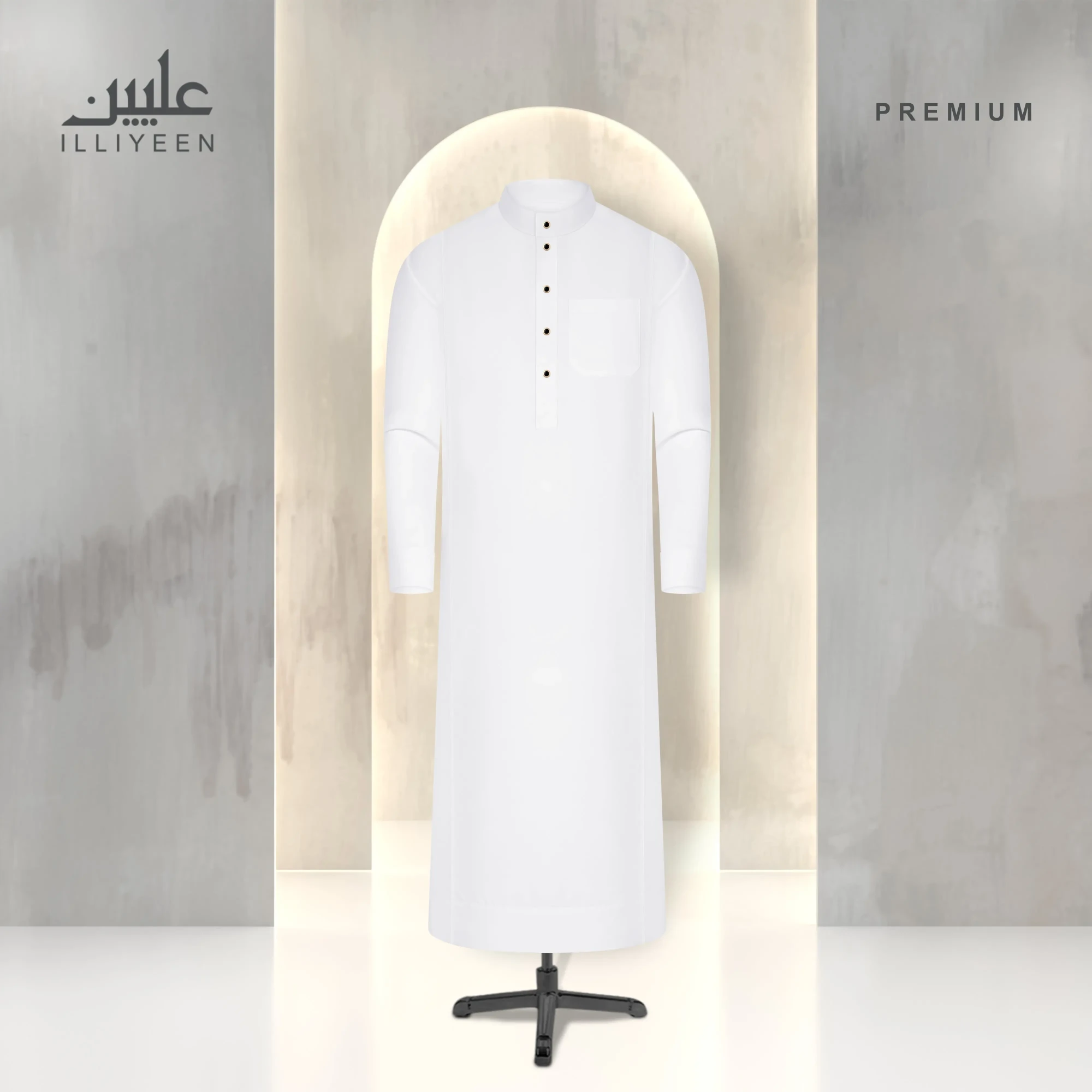
ILLIYEEN changed the address. They did not move the style to a new neighbourhood; they rebuilt the house—the Platinum Collection.
The Anatomy of a Disruption
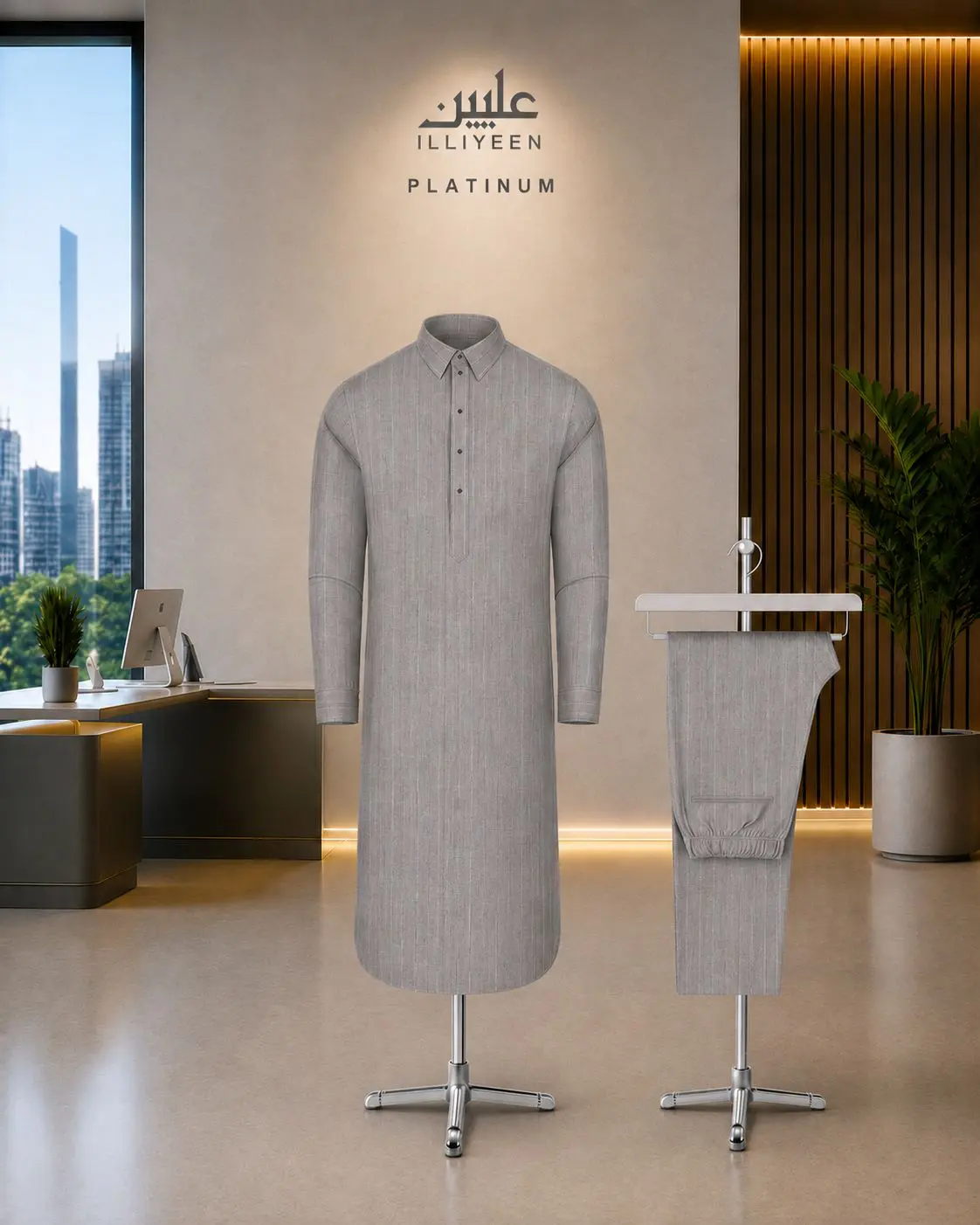
The Platinum Collection is not a marketing phrase. It is a standard. The name borrows from a metal graded on purity rather than shine, and that same standard now runs through everything built around the collection — from the Panjabi and Kabli to the Thobe, the Abaya, the Waistcoat, the watch, the wallet, the footwear. Each piece follows the same visual grammar: minimalist lines, neutral palettes, nothing overdone.
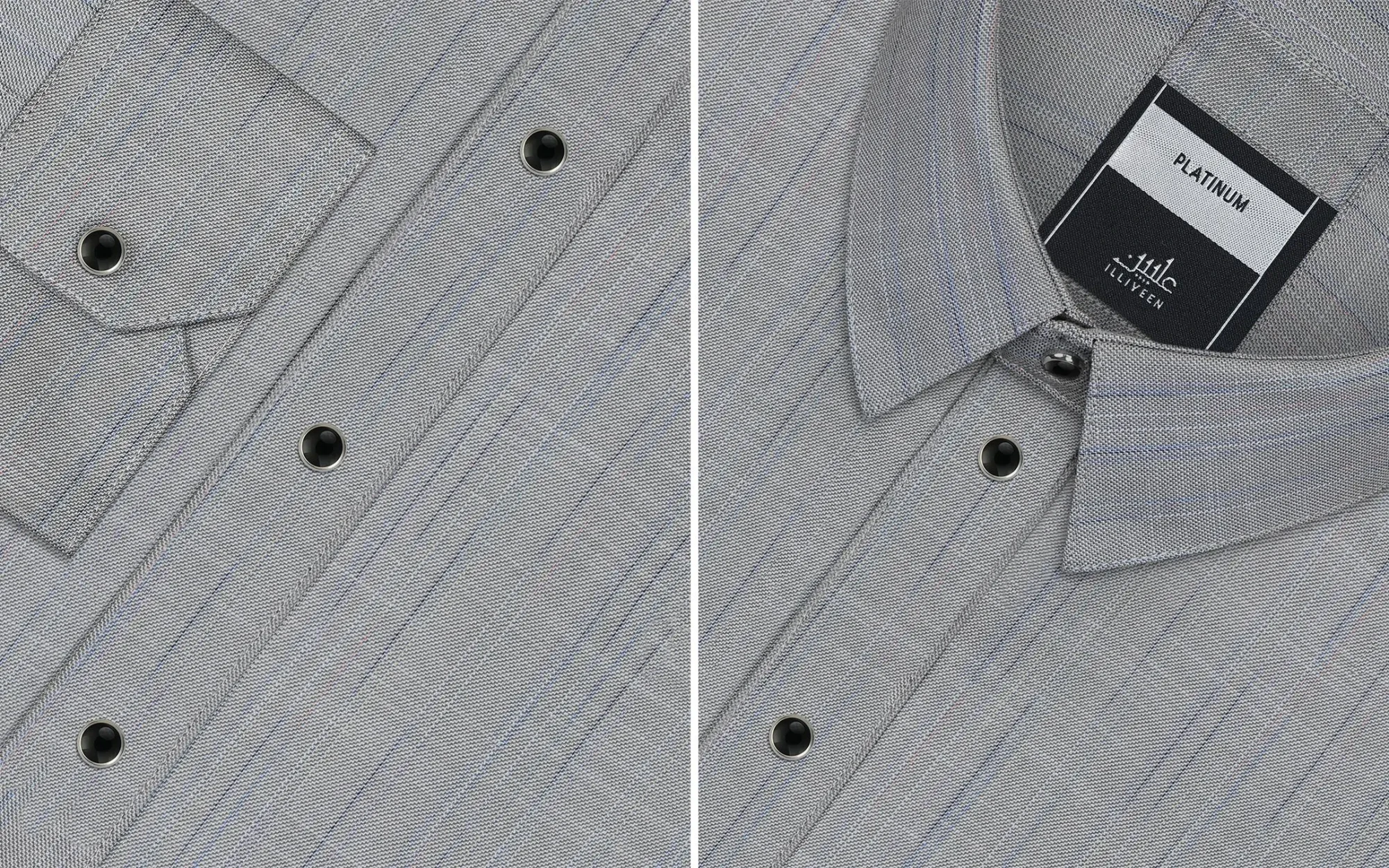
Think of it as the sartorial equivalent of a well-edited sentence: every detail considered, every element purposeful.
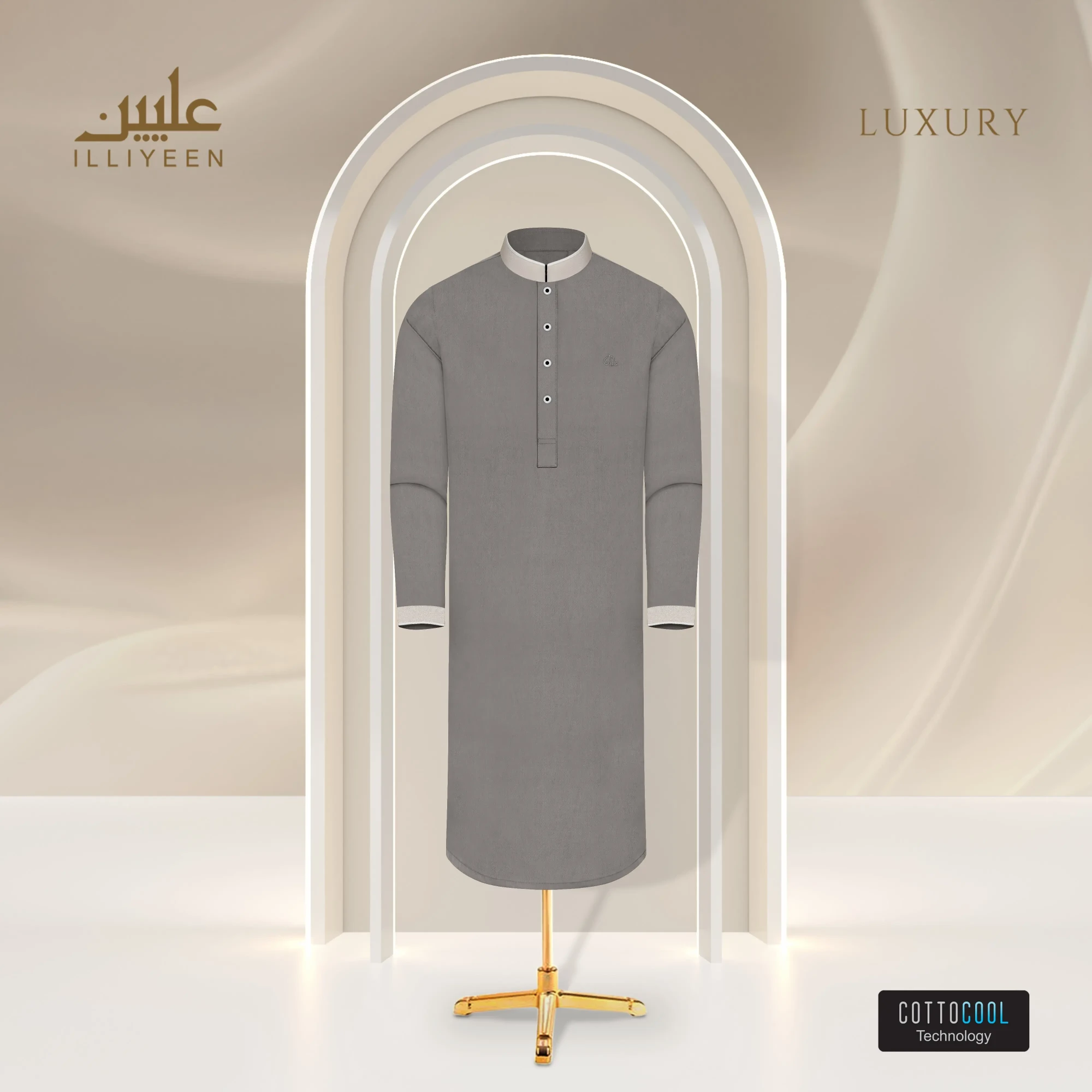
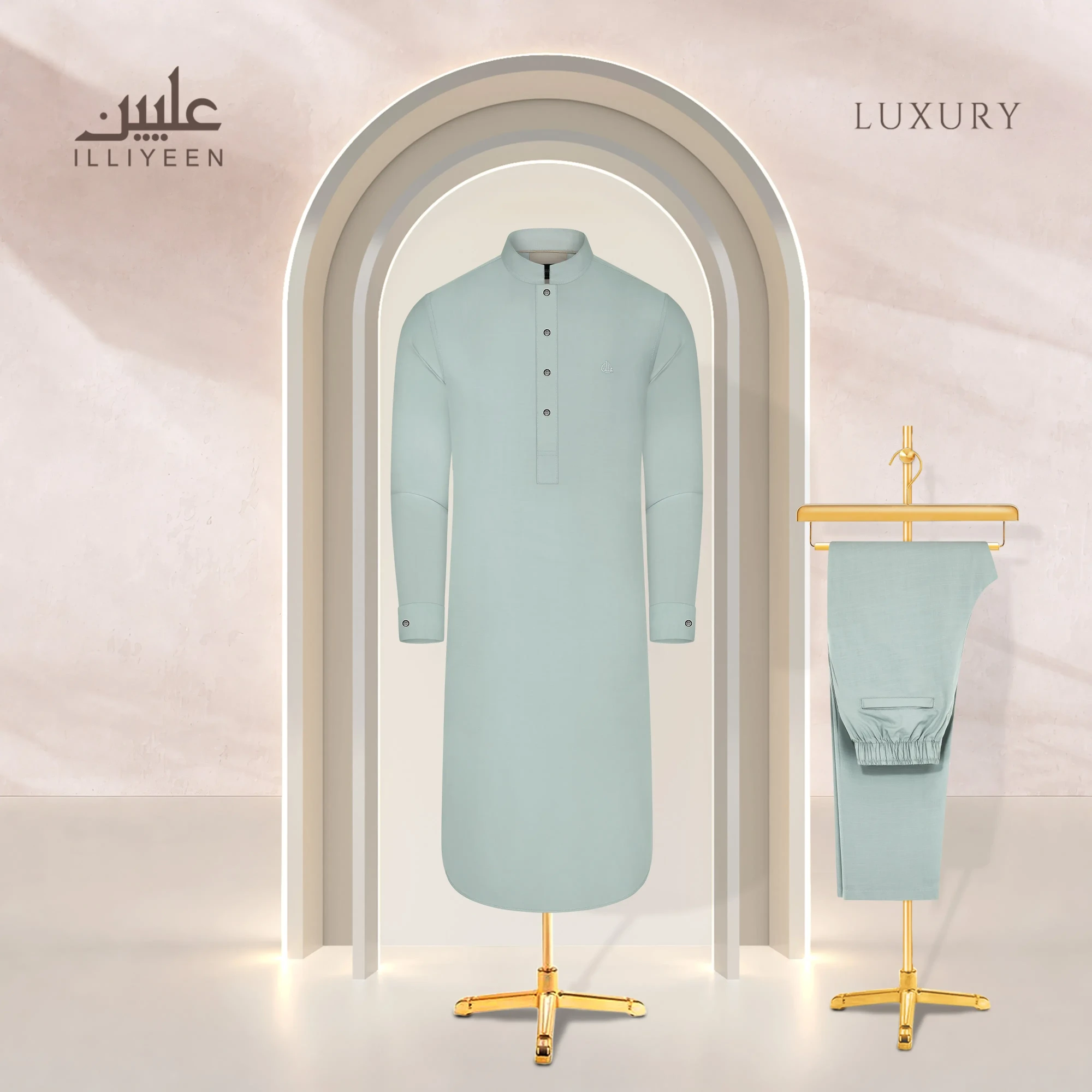
The colors are chosen the way a diplomat chooses words — carefully, deliberately, with an eye toward what the room requires. Off-white, stone grey, charcoal, midnight black, azure, dark brown. These are not celebration colors. These are colors quiet enough to let the cut of the garment do the talking.
And the cut is where the real work happens.
The Fabric of Intention
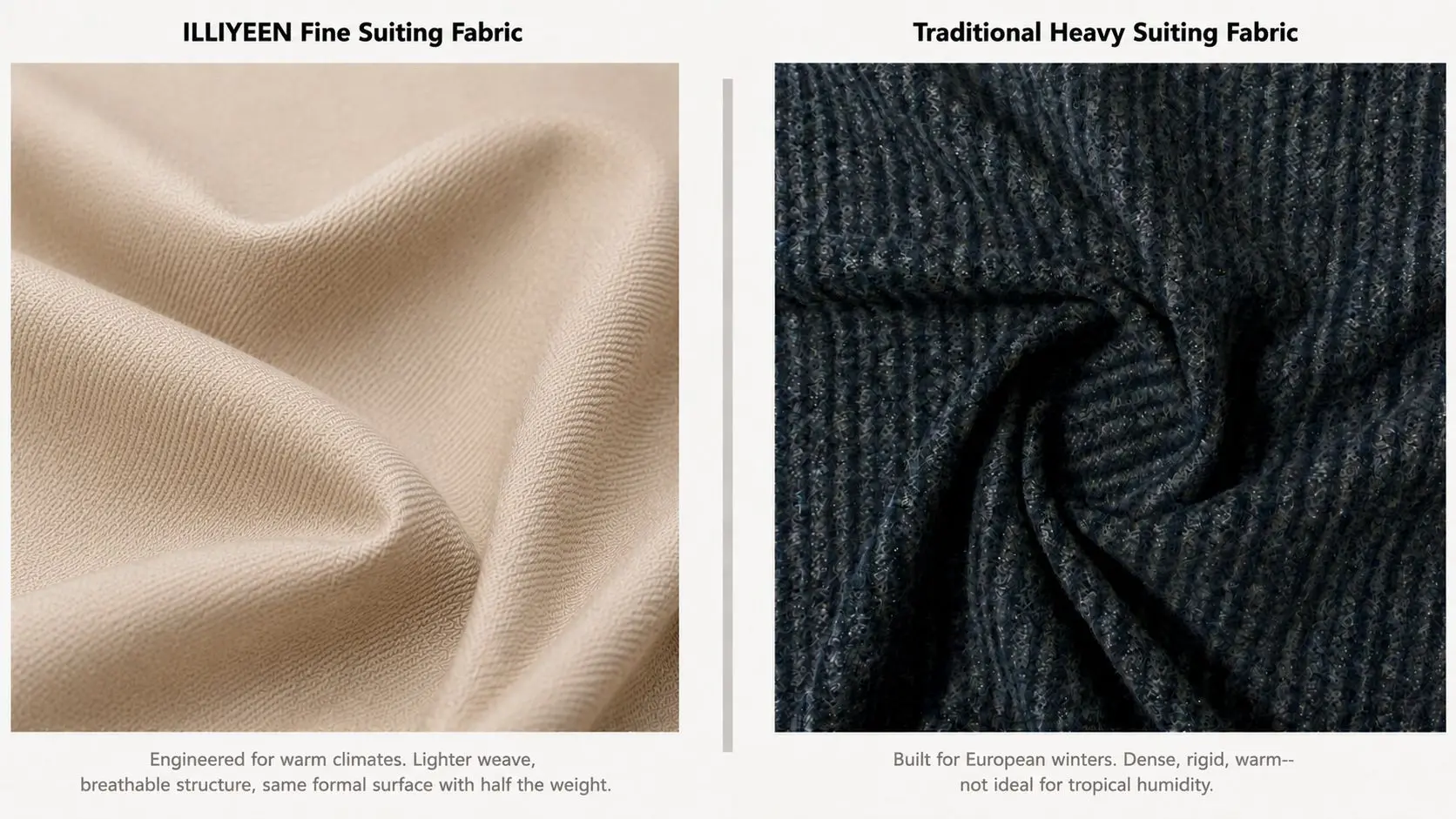
Regular suiting fabric — the kind tailors have been cutting into two-piece suits for generations — was never meant for Dhaka in July. It is strong, rigid, warm, built for climates where central heating is the concern, not humidity. Wear it outdoors in the tropics and you become a walking greenhouse.
ILLIYEEN did something quietly bold: they kept the look of suiting fabric and engineered out the punishment.
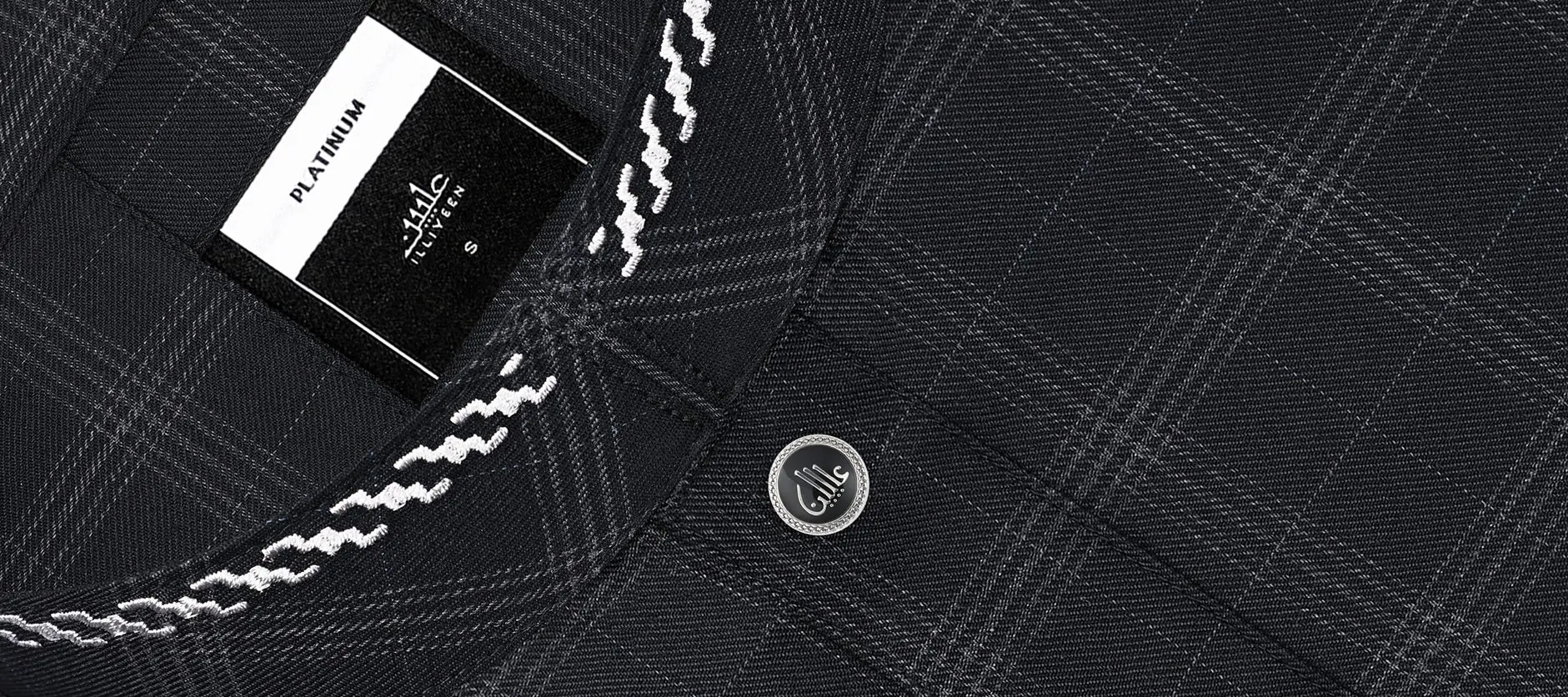
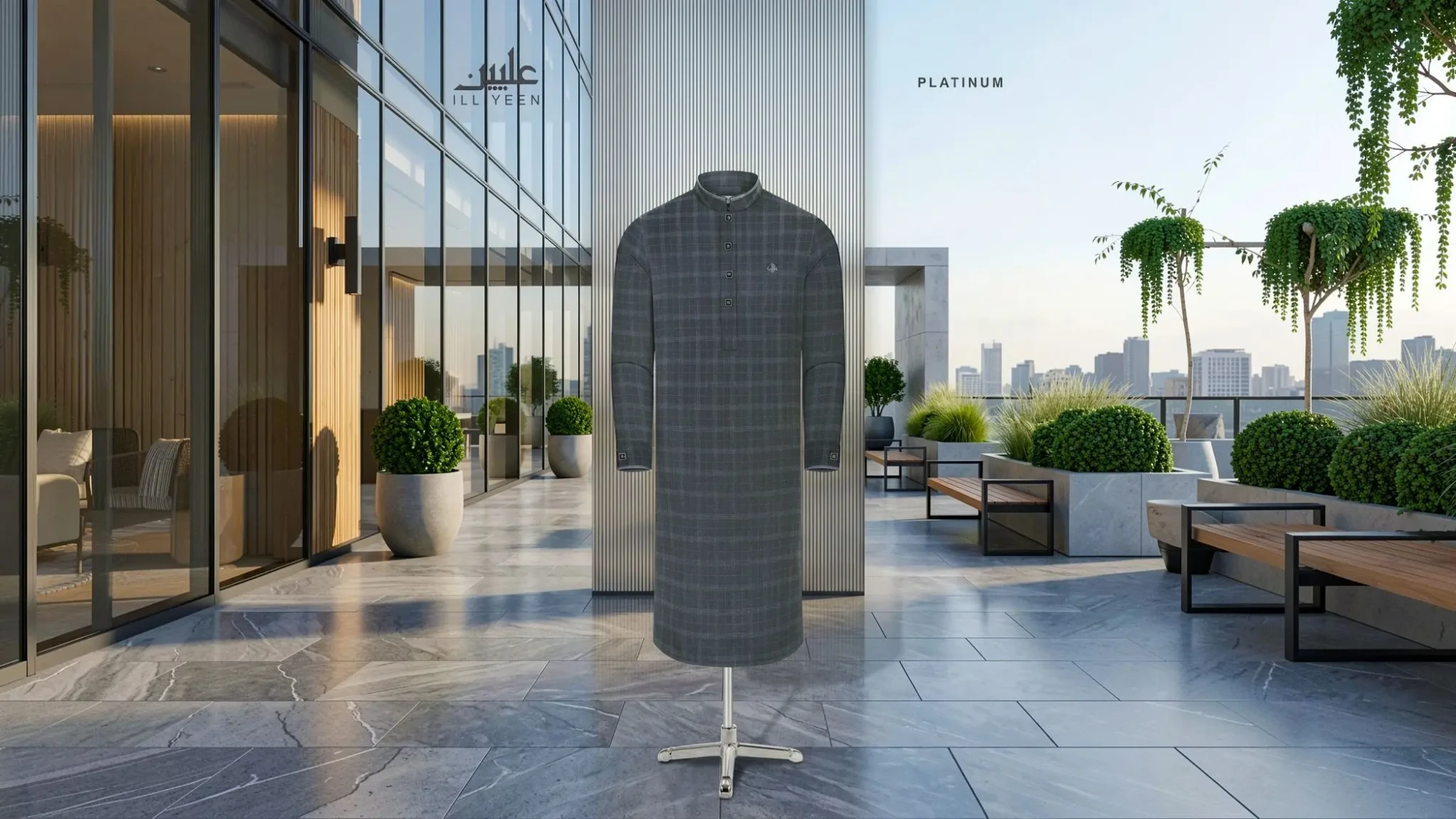
The Platinum Collection uses what ILLIYEEN classifies as Fine Suiting and Tropical Suiting — fabrics woven with the same discipline as their European cousins but calibrated for air-conditioned boardrooms in warm climates. They hold their shape through a twelve-hour day. They travel well. They do not wilt between the car park and the conference room. And because they are lighter, because they breathe, the Panjabi made from them does not feel like a costume. It feels like a uniform.
A uniform for a new kind of professional — one who does not need to wear a Western suit to signal competence.
The Cotton Argument
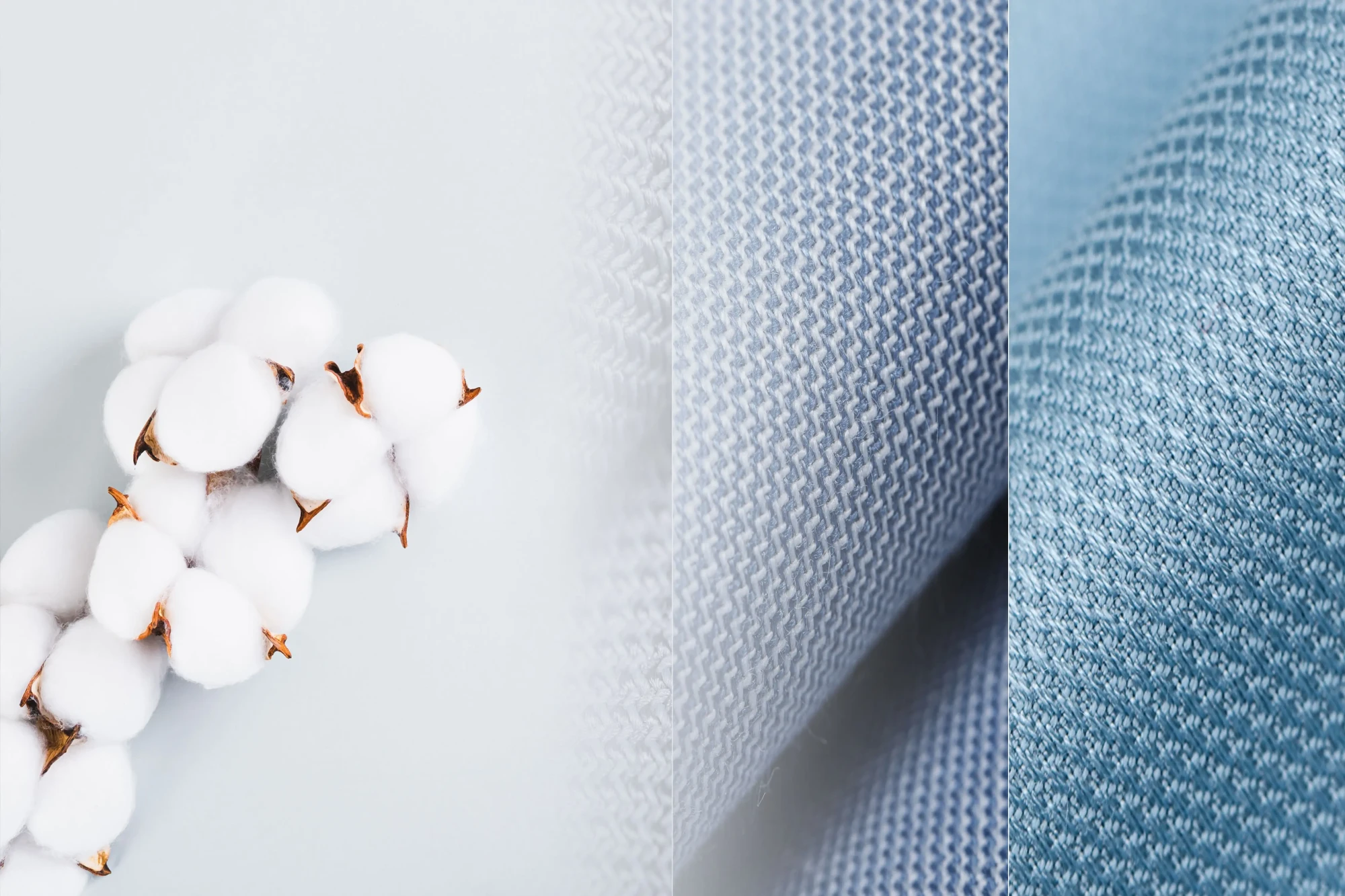
Not every day demands suiting, of course. For the days between the big meetings — the Tuesdays when the calendar is merciful, the Thursdays when the office empties by three — the Platinum Collection turns to cotton. But not the cotton you find folded in bales at the local market.
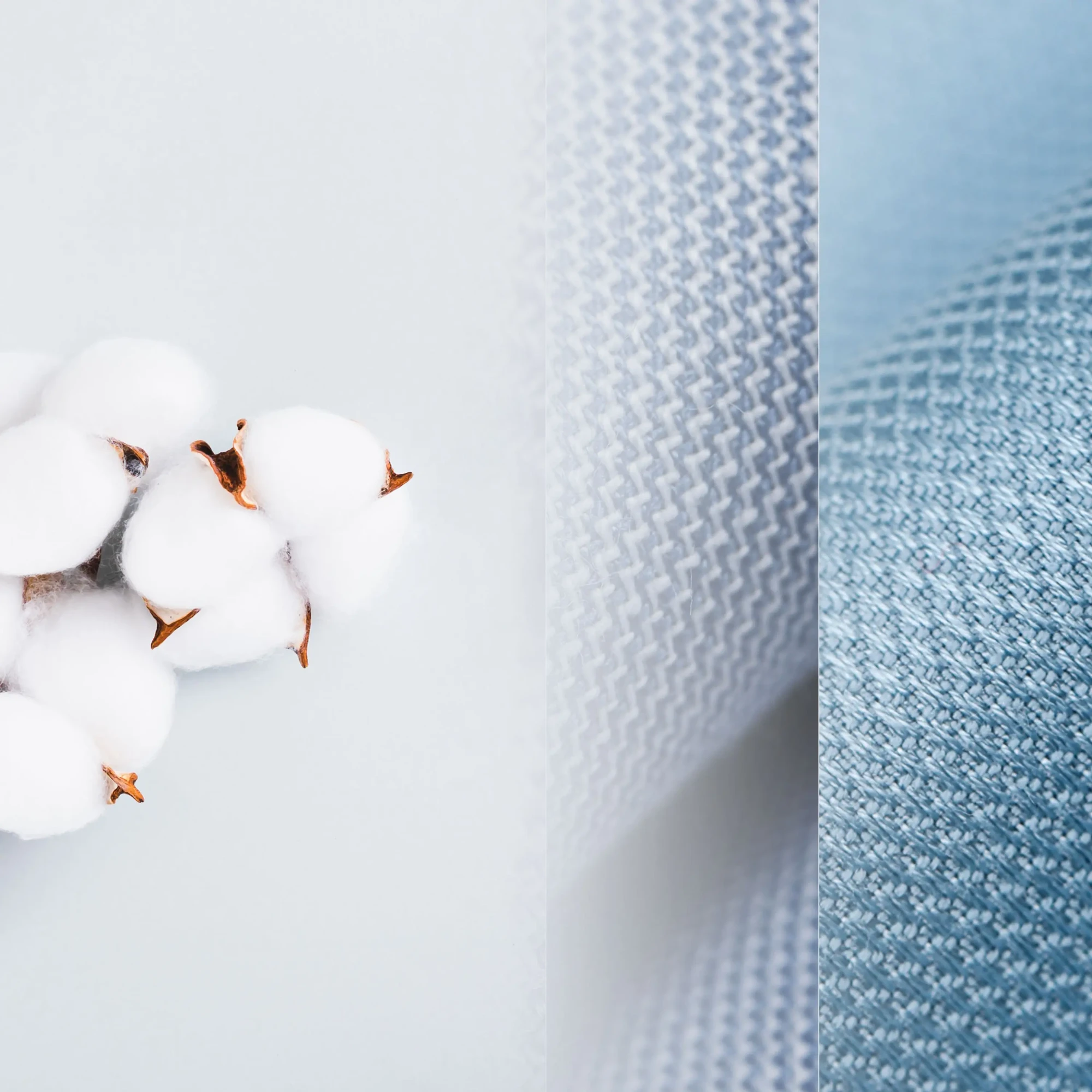
Super Fine Cotton, with thread counts ranging from 70s to 100s. Ultra-Fine Cotton, pushing past 100s toward 200s. These are fabrics so refined they feel almost apologetic for taking up space. They drape like liquid. They age the way good leather ages — not by falling apart, but by settling into themselves.
This is the material logic of the collection: whatever the garment, the fabric must earn its place against the skin. There is no “good enough” here. There is only the pursuit of the finest available, refined until it disappears into the wearing.
A Complete Wardrobe
The Platinum Collection does not stop at a single fashion category. That would be too easy — a single statement piece, a novelty. Instead, it builds an entire ecosystem.

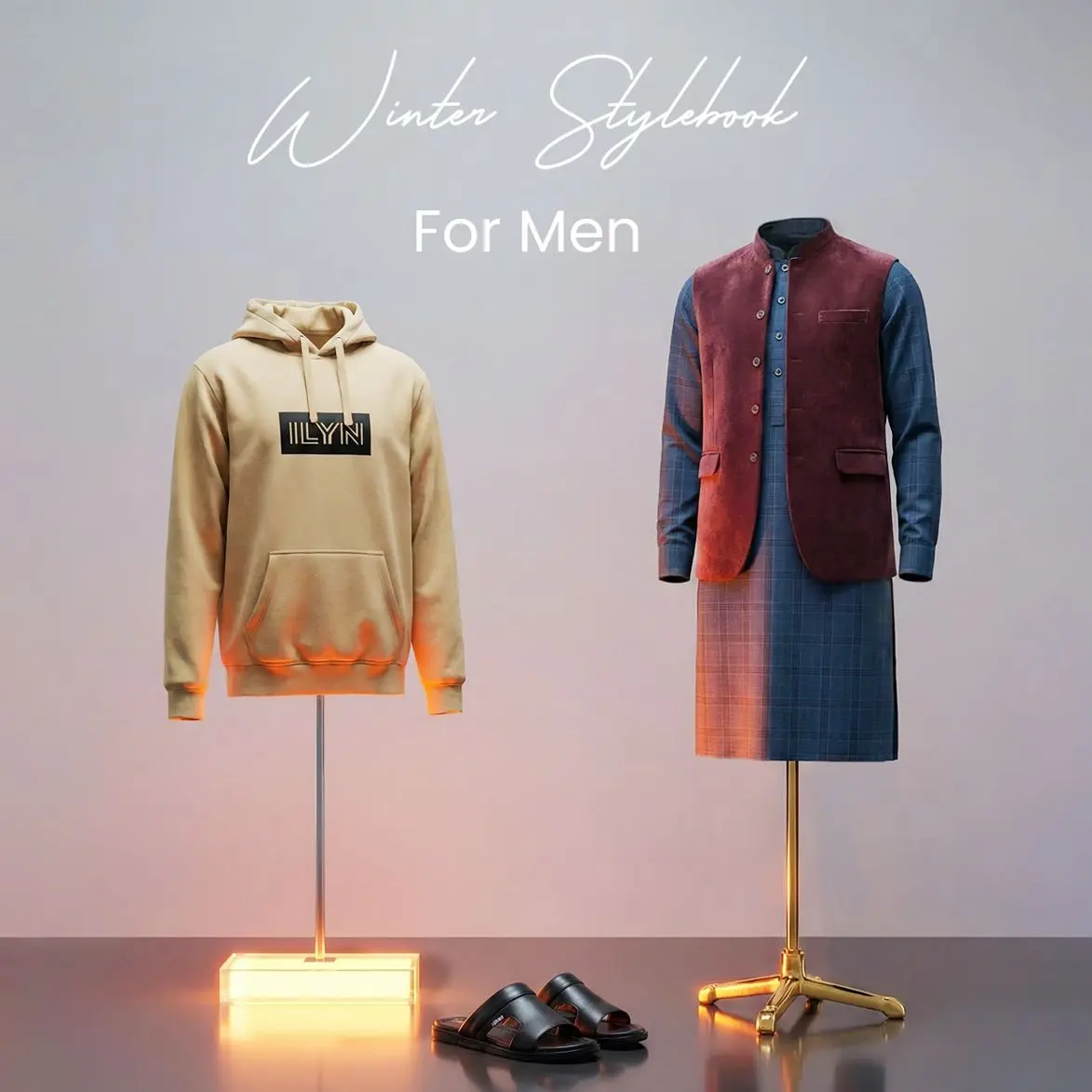
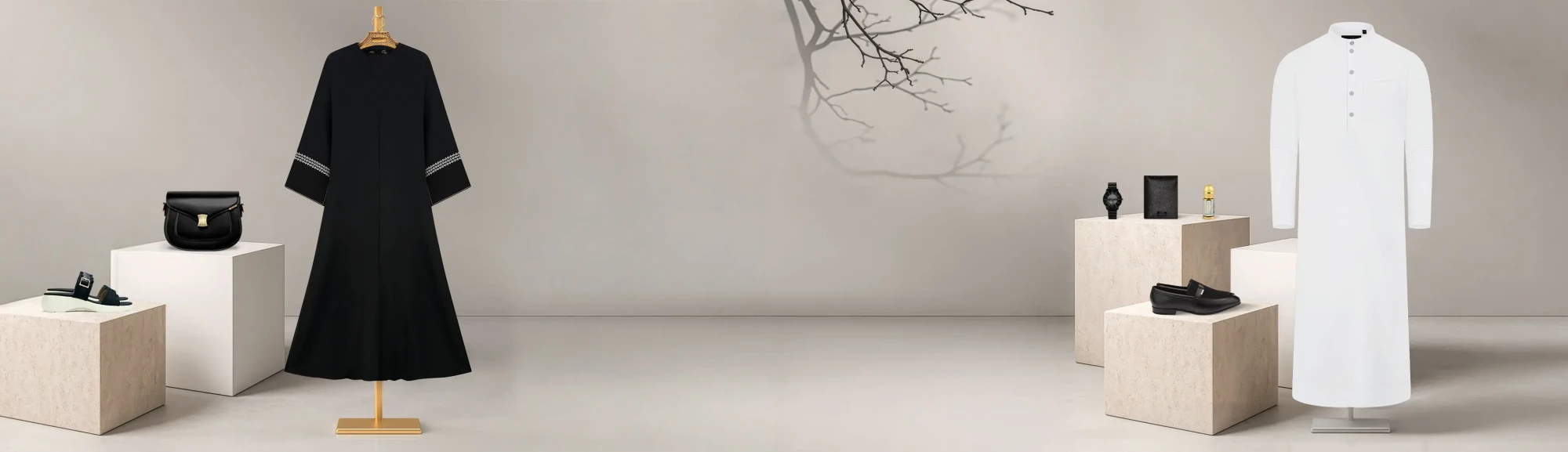
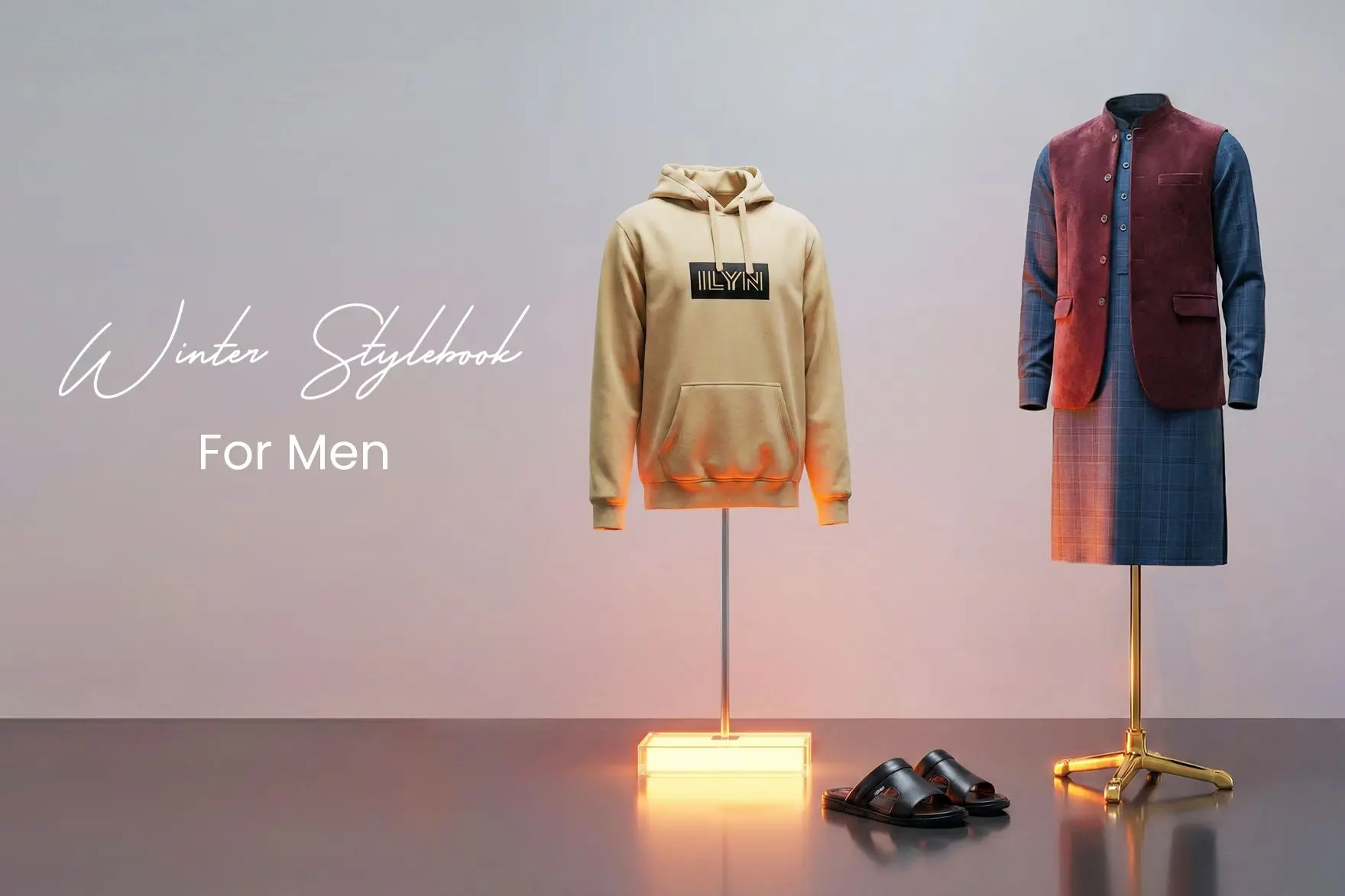
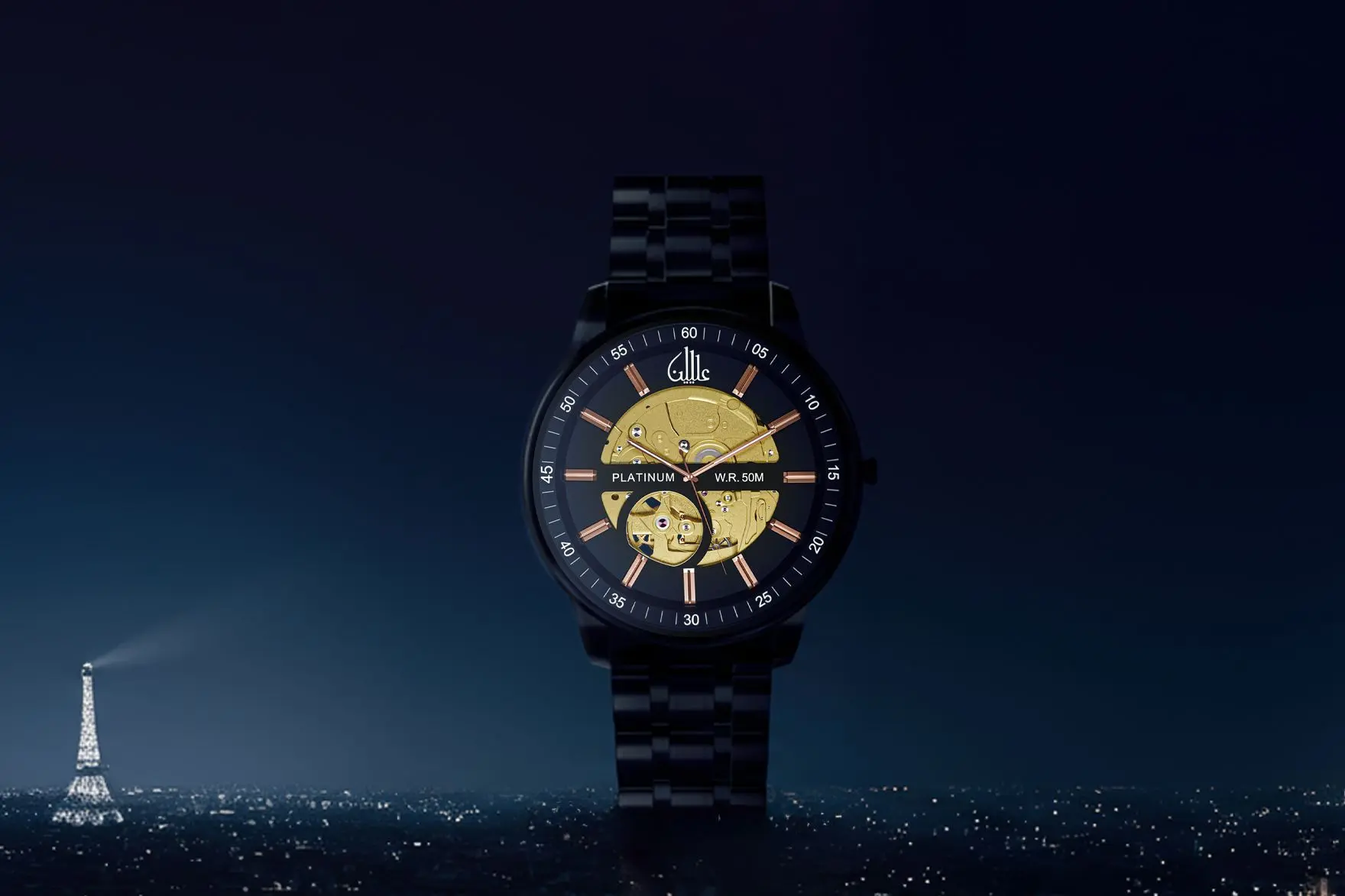
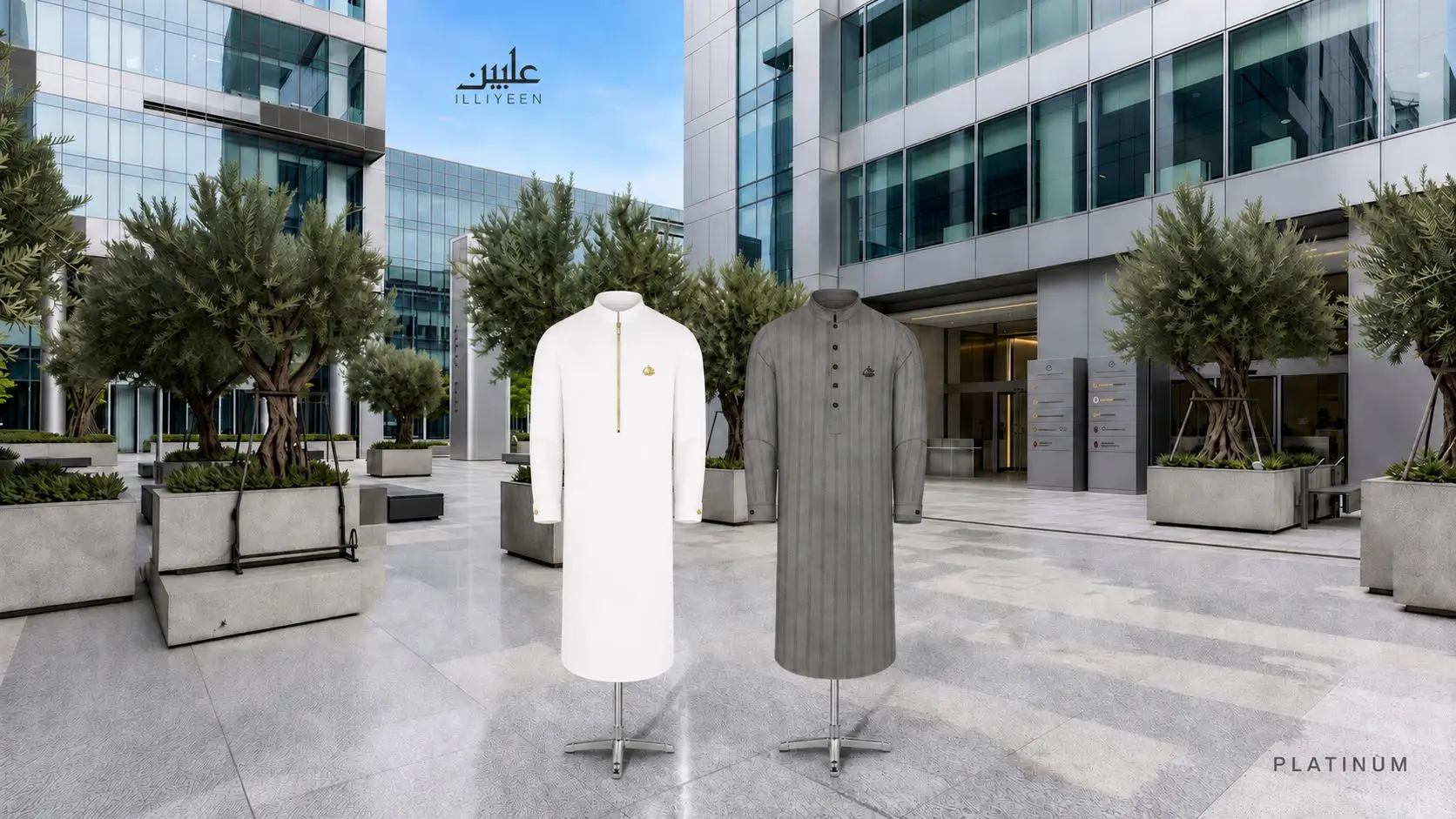
For men: the Kabli or Panjabi for days when the meeting runs long and the air conditioning runs cold; the waistcoat for the formal dinners where a jacket would be trying too hard; the thobe for the occasions that demand something between tradition and restraint; chinos, shirts, polos and t-shirts for the hours around the edges of the workday; a watch and a ring to finish the story.
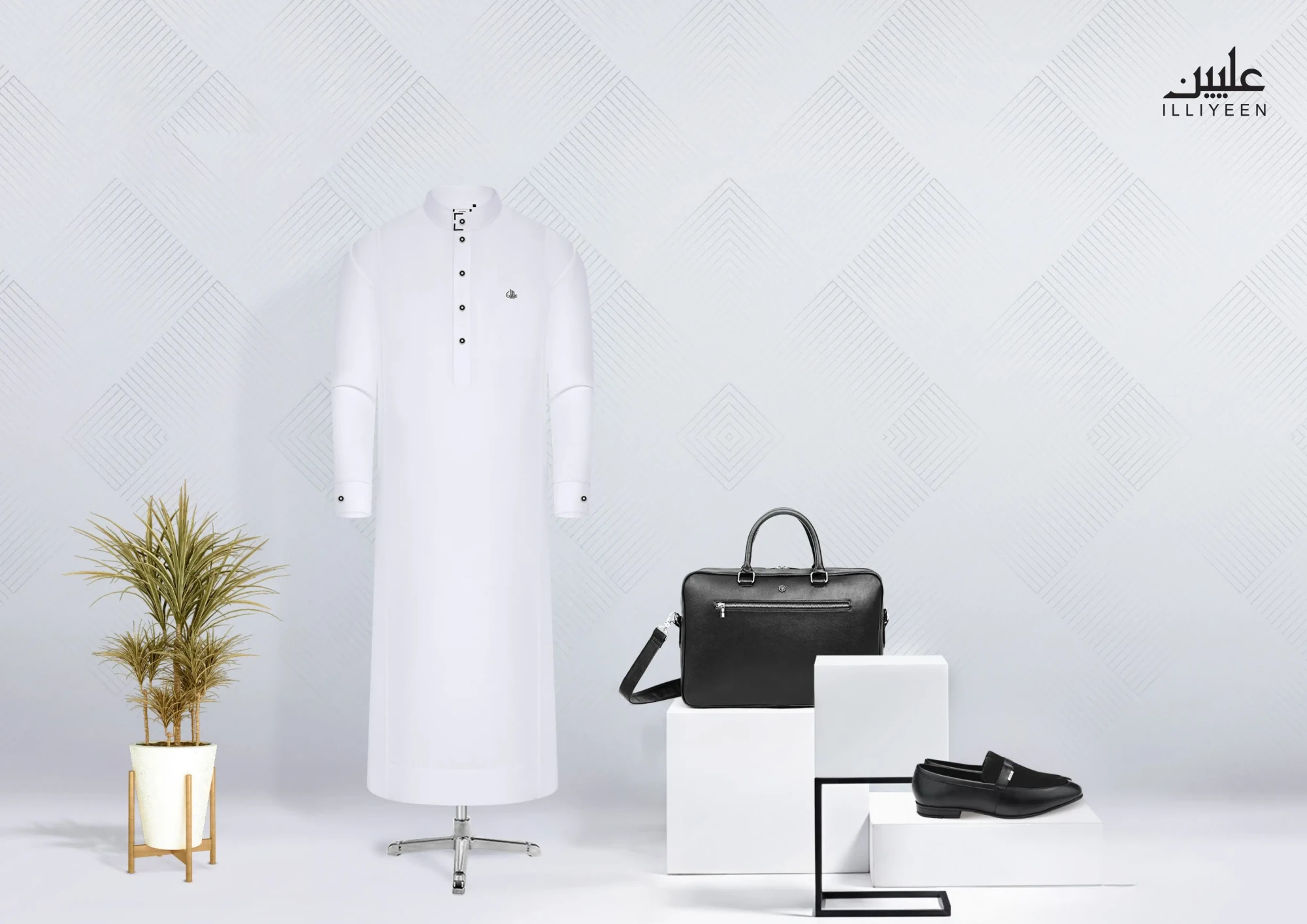
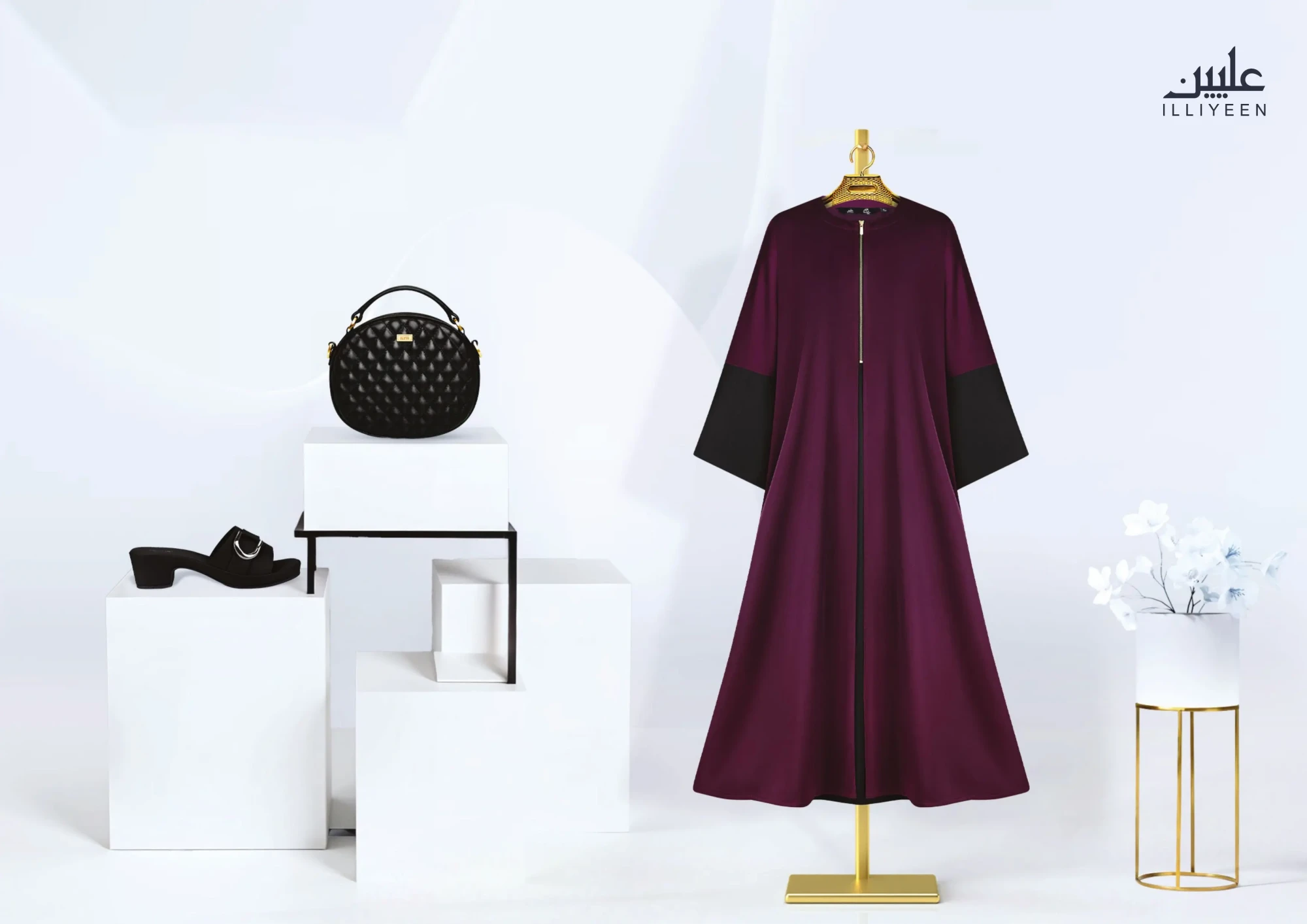
For women: the Abaya and dress cut with the same discipline, styled with tops and trousers built to match the same quiet authority. Each style carries the same name with total confidence. Platinum resists tarnish for decades, trusted with daily wear precisely because of it. The Platinum Collection was built on that same principle.
The New Formal
What ILLIYEEN has done is not simply “elevate” formal fashion. Elevation implies a hierarchy, a ladder, a thing that was low being pulled up. That is not what happened here.
What happened is that ILLIYEEN looked at the classic menswear and womenswear collections — a range with centuries of history, styles that have dressed poets and politicians and merchants with equal democratic ease — and asked a different question. Not “how do we make this fancier?” but “how do we make this work?”
How do we make it work in a room where everyone else is in suits? How do we make it work at a client dinner where the languages are foreign and the conversation is EBITDA? How do we make it work so well that the man in the Panjabi or Thobe is not the exotic exception but simply the best-dressed person in the room?

The answer, it turns out, is in the details most people will never notice. The thread count. The tropical weave. The absence of anything that does not need to be there. The color that says “I have nothing to prove.”
That is the disruption. Not loud. Not announced. Just a man in a Panjabi, stepping out of an elevator on the twenty-third floor, looking like he owns the building.
Because, in a sense, he does.
The Platinum Collection by ILLIYEEN — formalwear redefined.